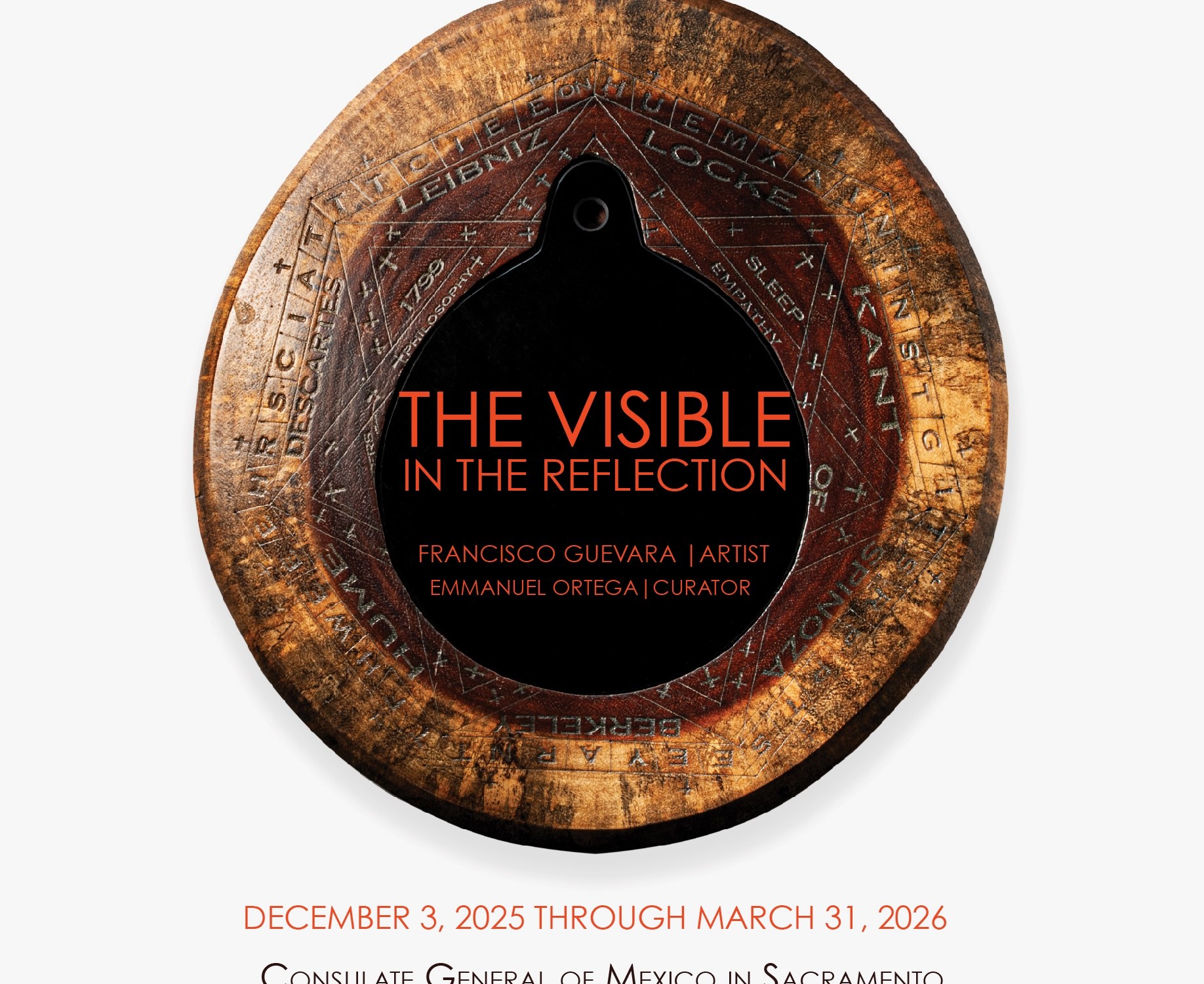
OPENING RECEPTION
Wednesday December 3, 2025 at 5:00 PM
Consulate General of Mexico in Sacramento
2093 Arena Blvd., Sacramento, CA, 95834

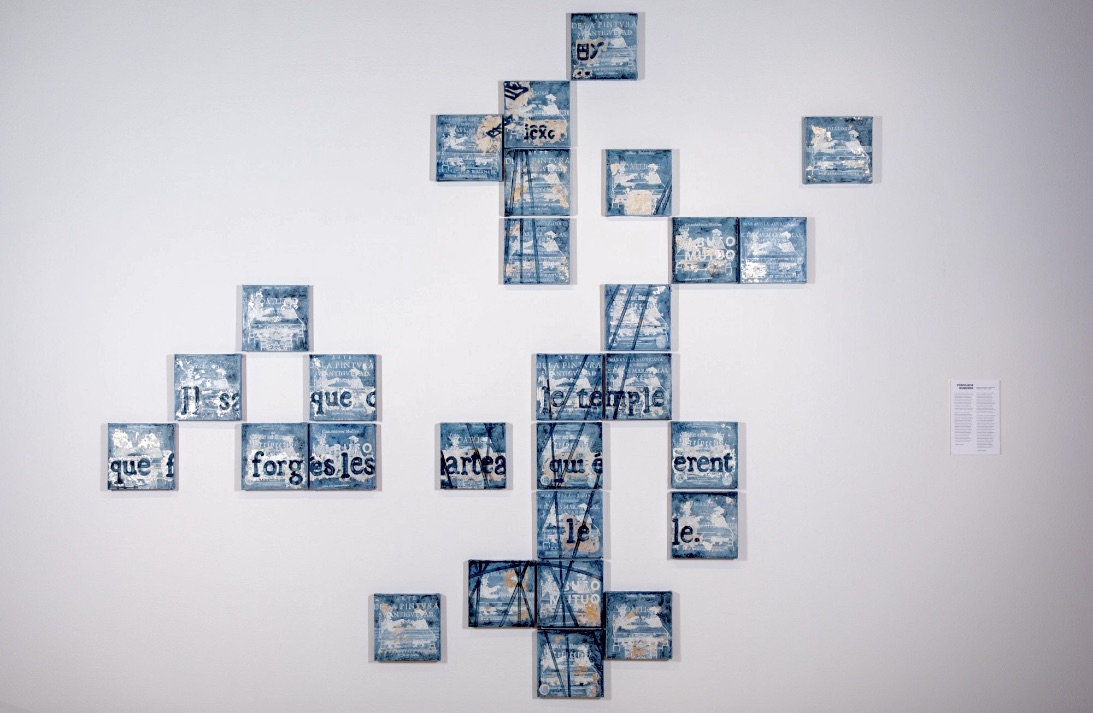
“Between the Devil and the Jesuit” Indigo silkscreen, indigo ink and silver leaf on canvas. 28 x 28 cm. 2022
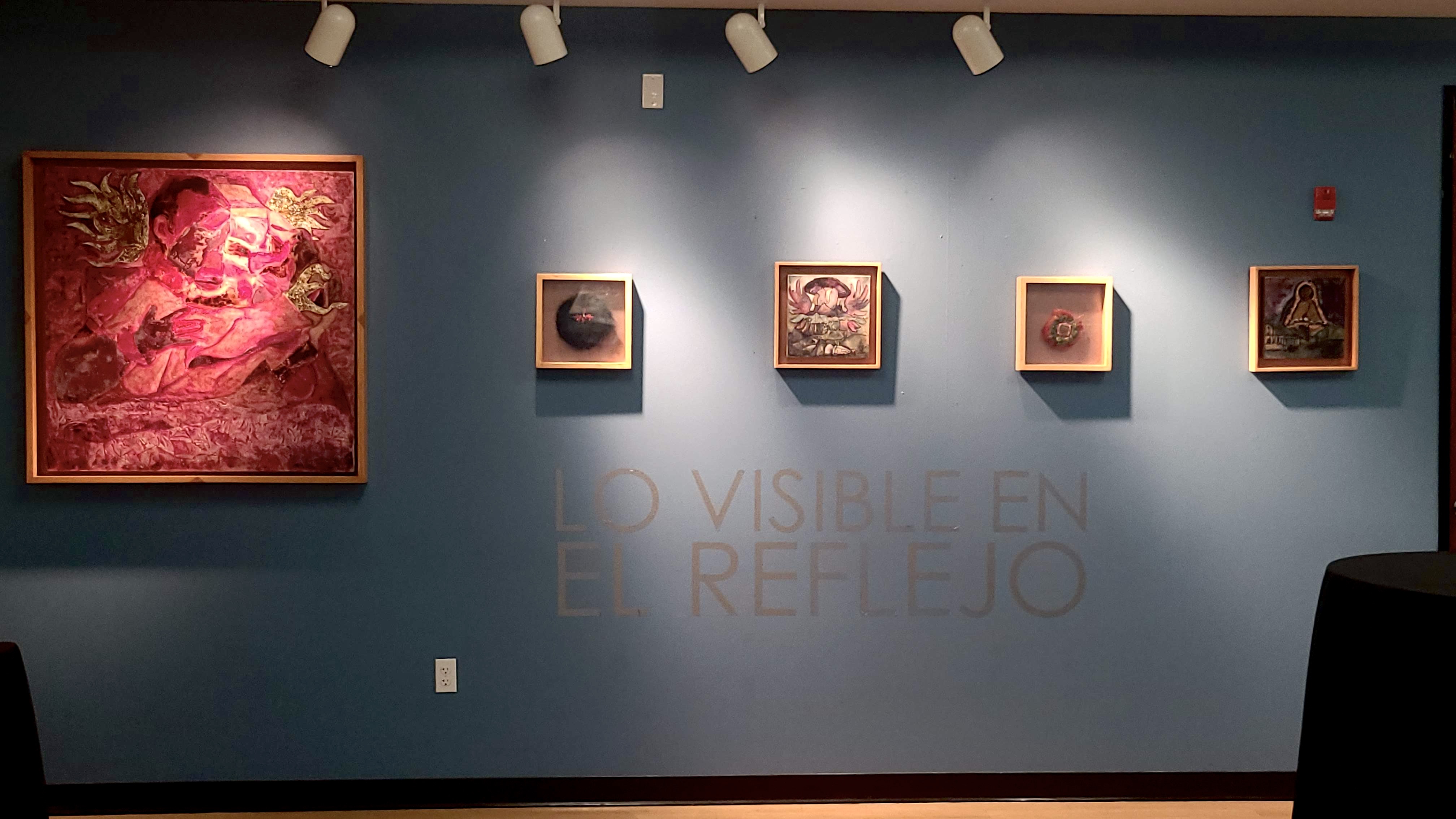
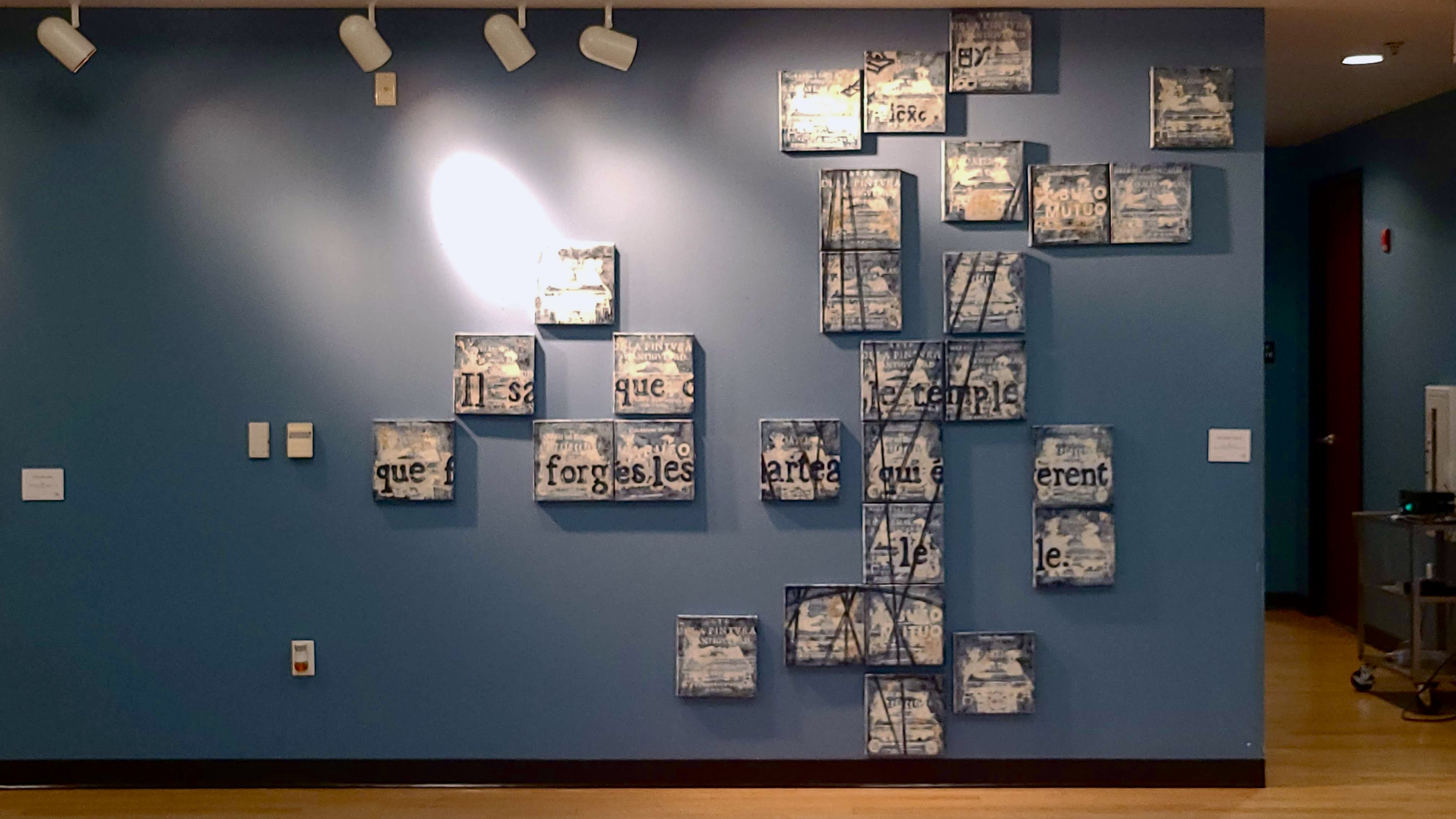
The Visible in the Reflection
The works that compose this exhibition function as invisible visions, layered as reflections of time, all folding into an all-encompassing history: the dark side of empire. As a running thread we see the concealed face of empire, reflected and simultaneously hiding through obsidian mirrors that were used as divination and manifestations of unseeable ways to foresee. In Guevara’s words, Obsidian signified the presence of absence that holds the power to know everything and is able to see into the hearts of men.


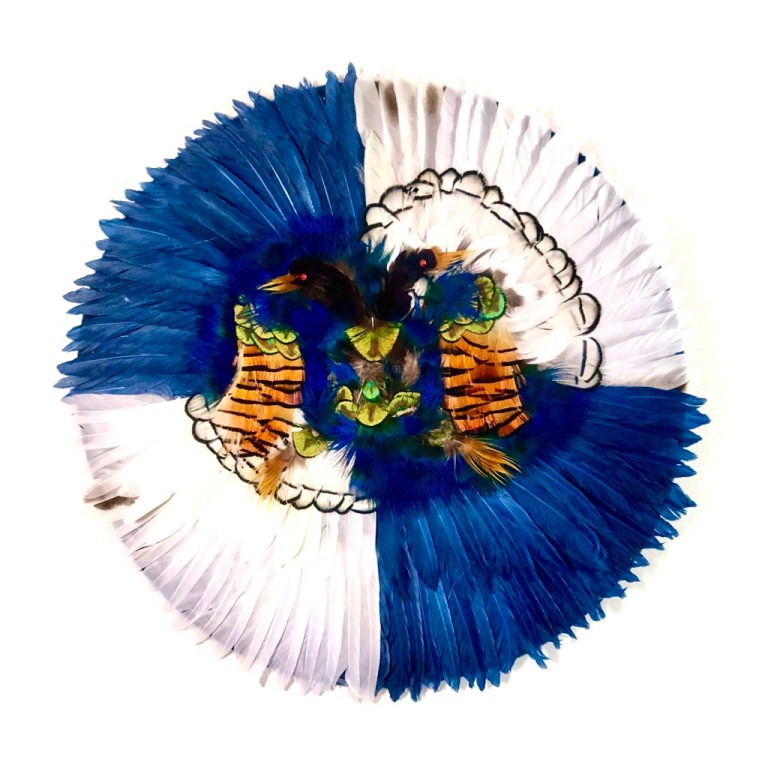
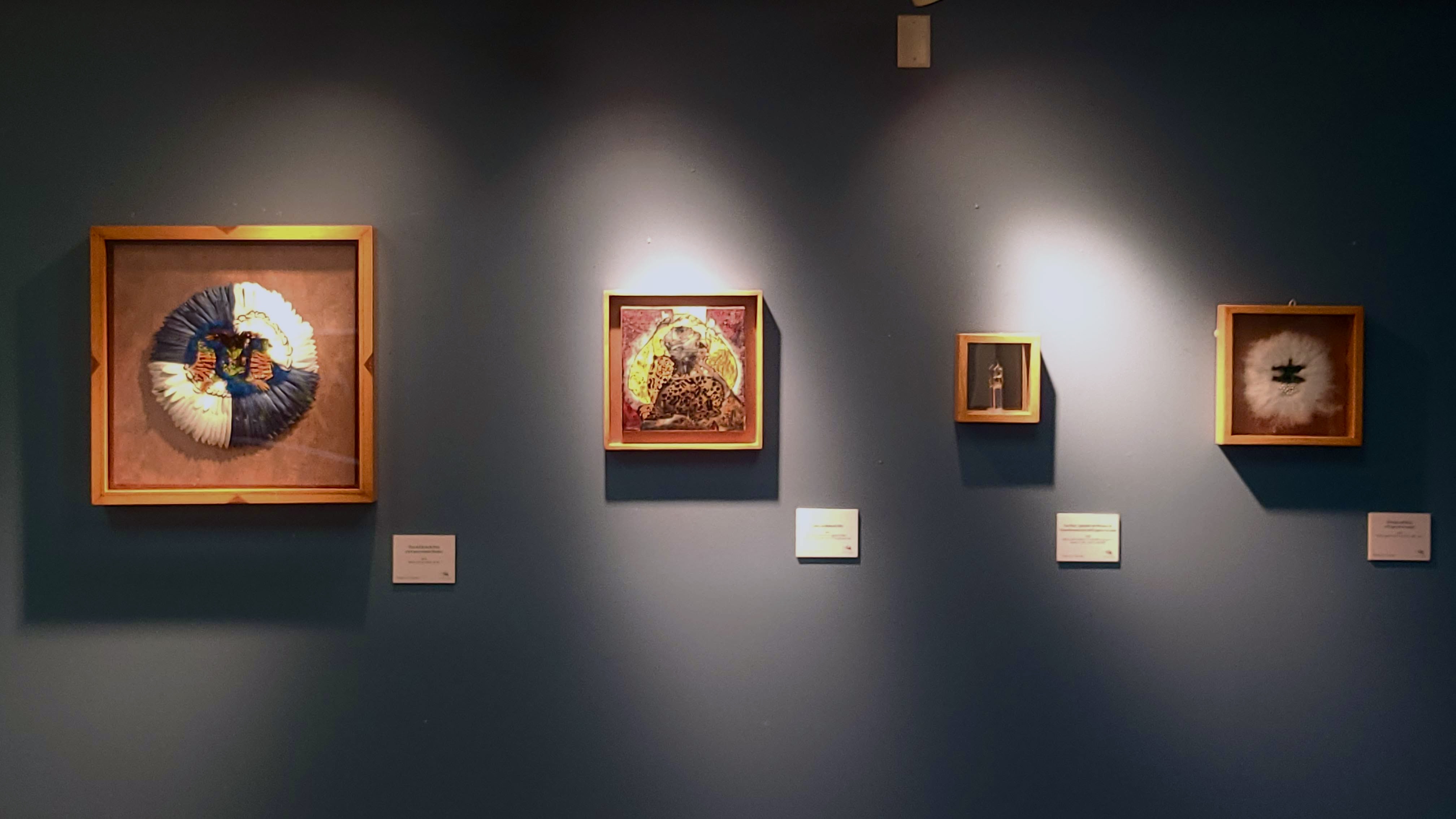
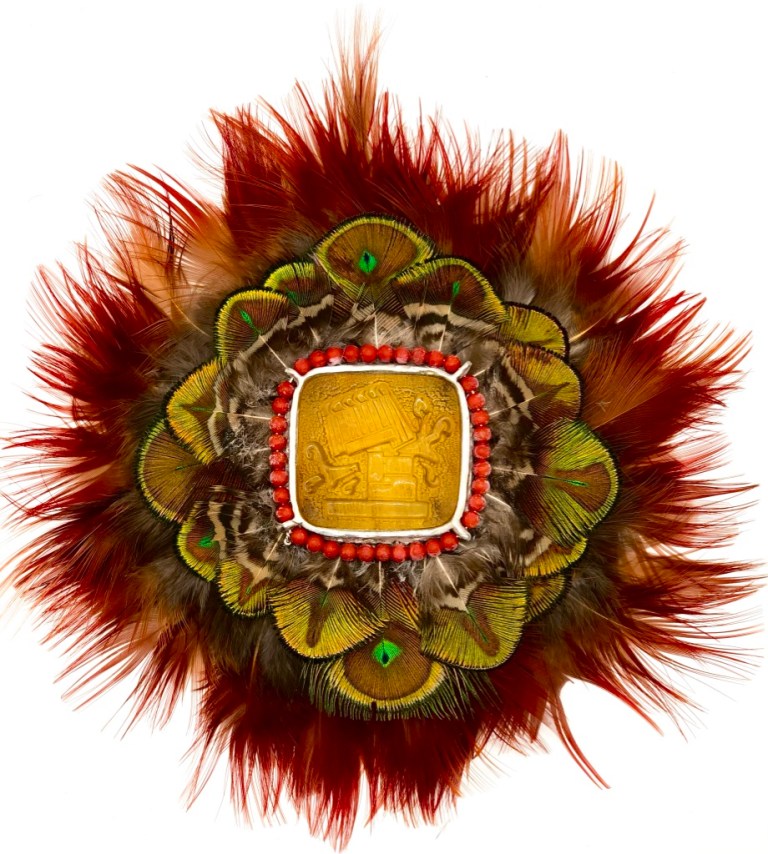
For Guevara, to see—much like in the ancient world of Mesoamerica, where nothing was revealed through the simple act of looking—is to engage in a task that conceals a complex process, one that unveils the true and complicated nature of history. His wide array of materials and mediums were carefully selected to illuminate the early processes of colonization and the shifts in perception before and after the arrival of the Spanish. Feathers, for instance, refract the light of the sun and the power of tonalli, a Nahuatl concept signifying force or energy. With the Spanish, the tonalli of feathers was transformed into lux mundi, a manifestation of Christ’s power.

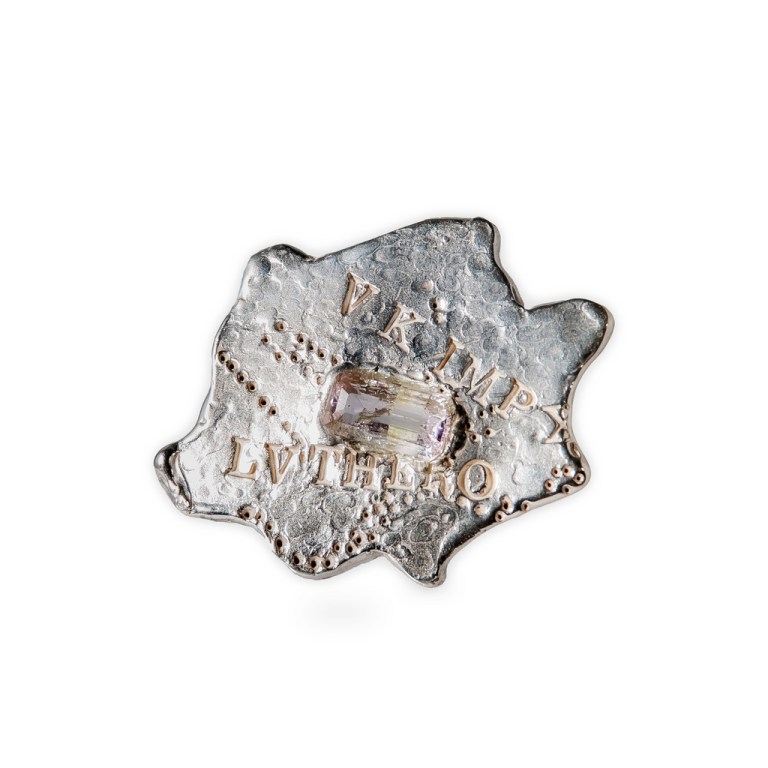
“1521” Amethyst and cast sterling silver ring. 6 x 6 x 4 cm. 2023

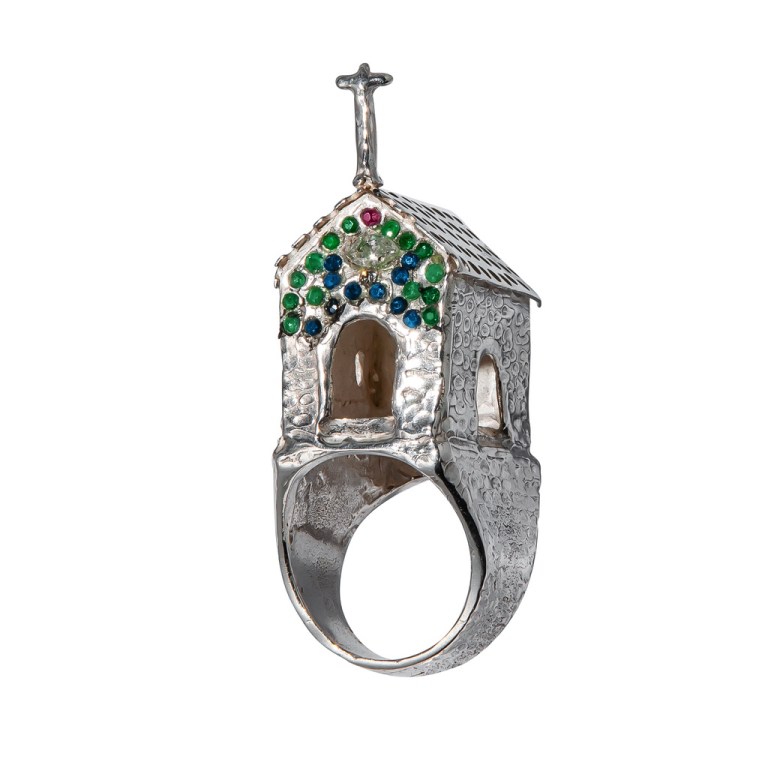
“1533” Tourmaline and cast sterling silver ring. 8 x 3 x 4 cm. 2023
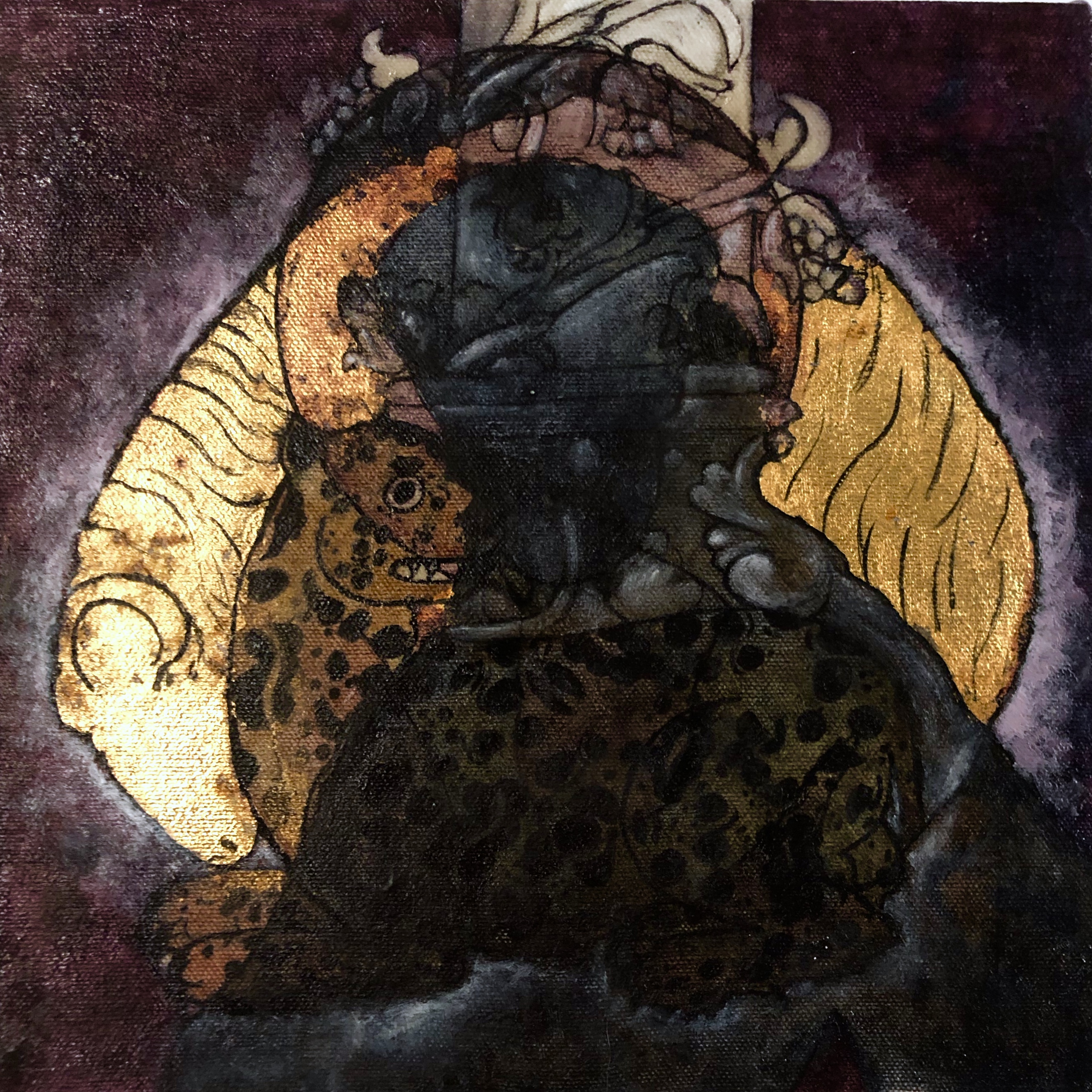
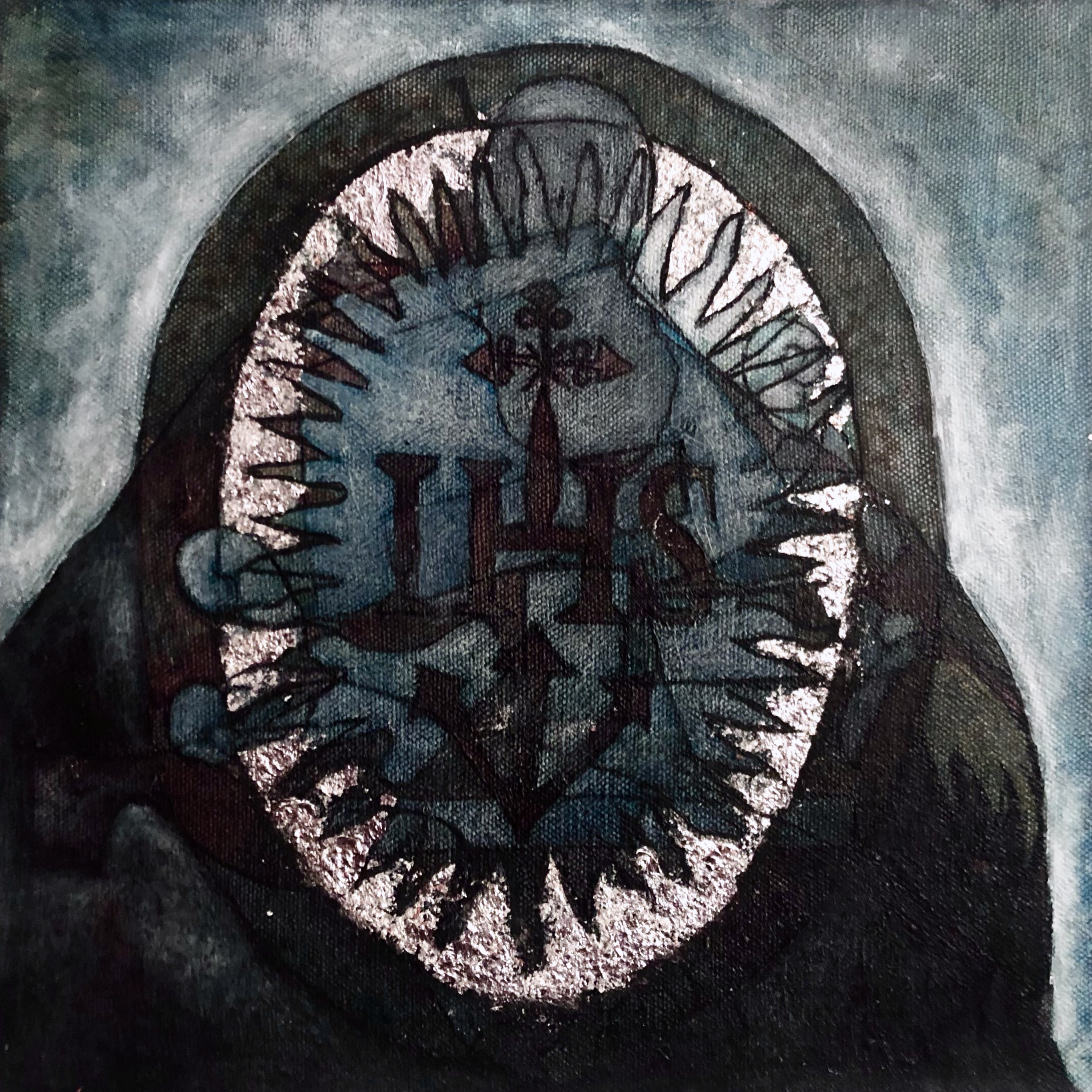
Their juxtaposition, as articulated by many of the works in this exhibition, denotes the violence inherent in transforming Indigenous forms of understanding the world into new and unrecognizable ones. Guevara aims not only to capture this process of violent transformation through the meaning of each material he employs, but also to reveal how its principal imperial interlocutors—those historical figures at the center of these transformations—were far less innocent than we imagine.
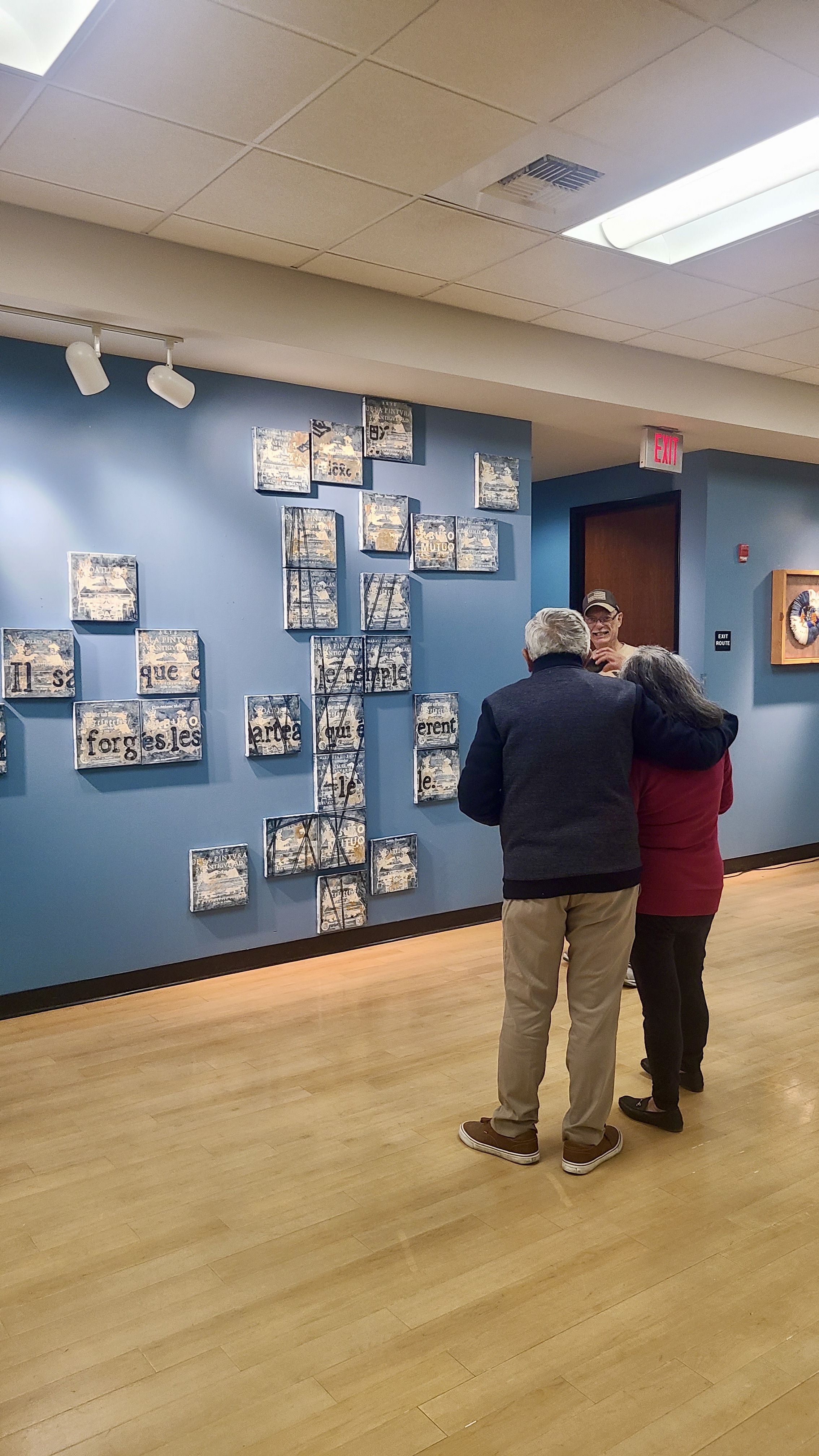

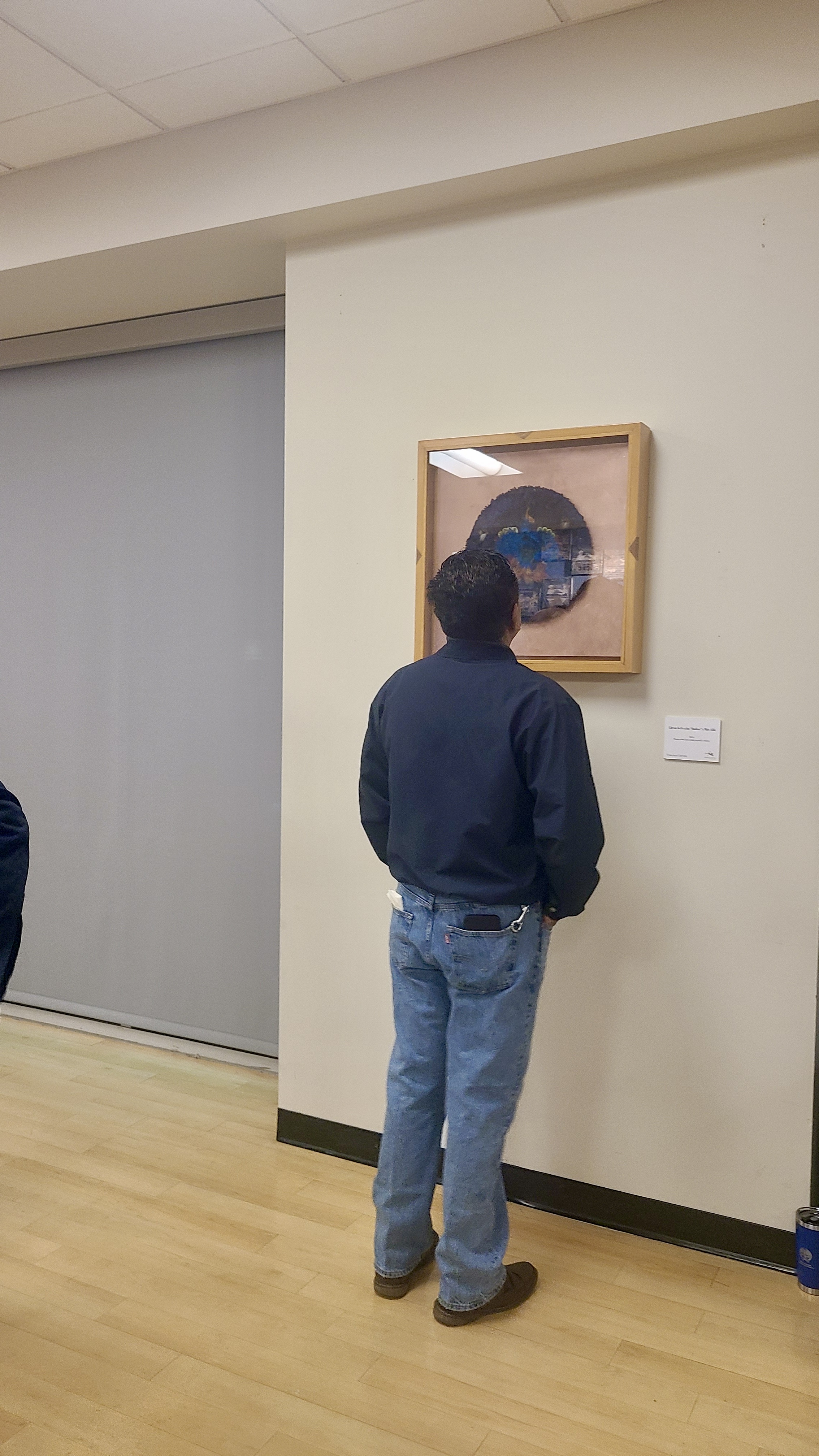
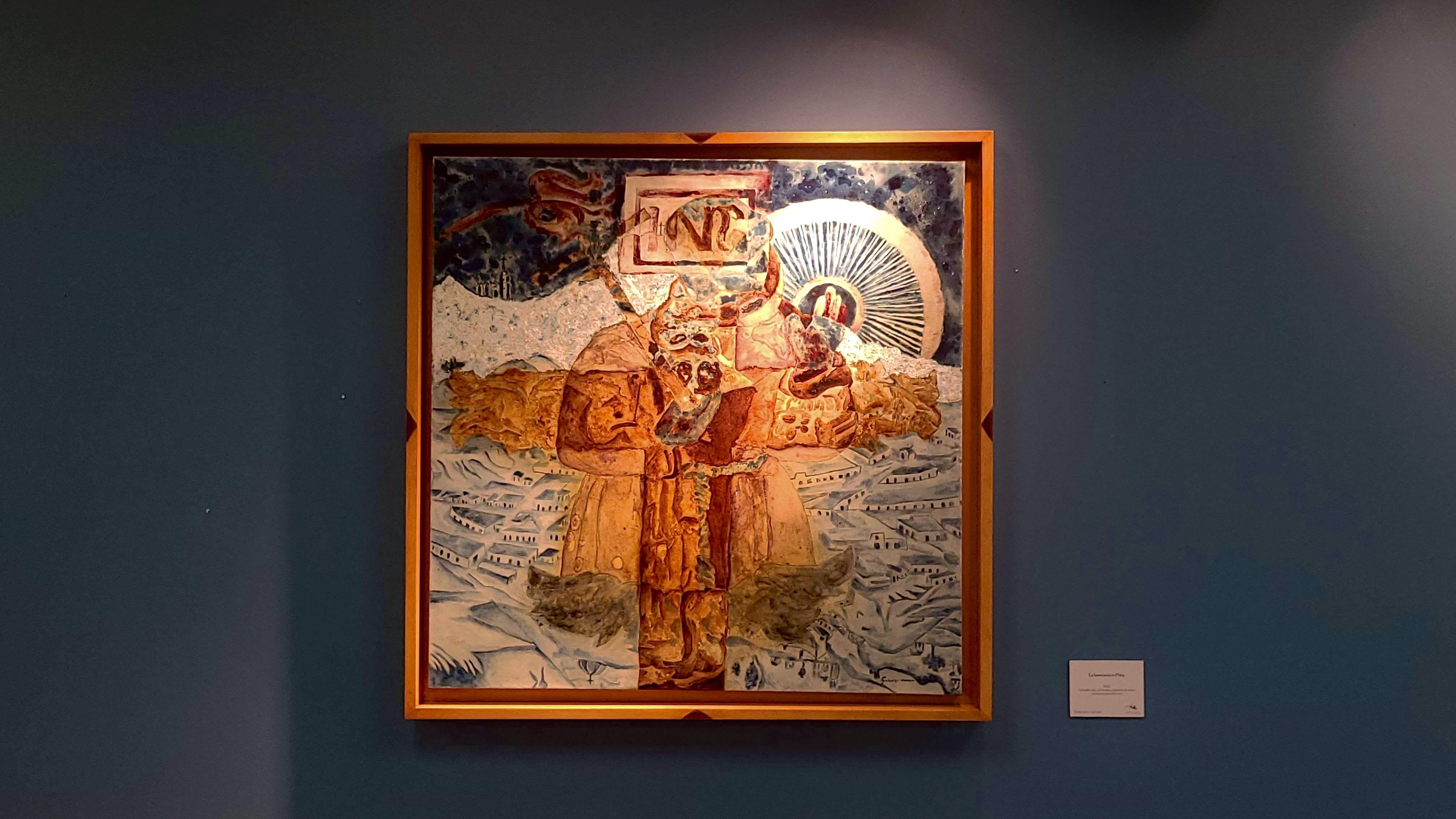
In Innocence is Silver, Guevara juxtaposes a series of spectral images that appear and disappear against an eighteenth-century landscape of Zacatecas. A city, a resplendent silver mountain, a cross, and the silhouette of a Franciscan missionary collapse into a single vision—one that initially obscures any concrete message. Thus, the juxtaposition of forms and materials in Innocence is Silver places the silhouette of Fray Martín de Valencia—an early Franciscan friar credited with establishing the mission system in Mexico—directly against a reflective silver mountain. This pairing symbolizes how the intervention of these missionaries enabled the expansion of the mining industry that fueled Spain’s rise as a global power, at the cost of environmental catastrophe and the lives of countless Indigenous peoples.
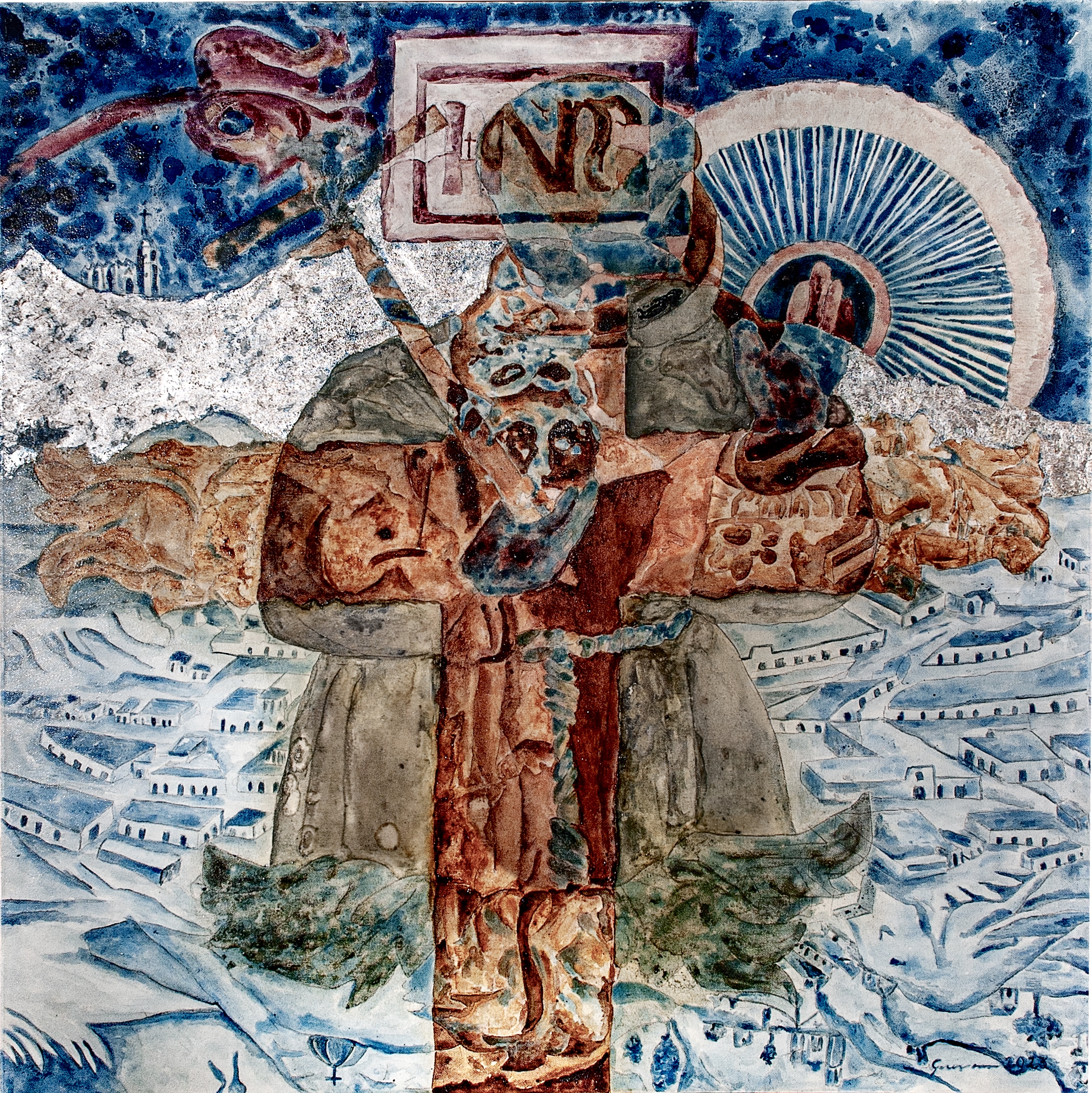
“Innocence Is Silver” Cochinieal, indigo, cabbage, and oak pigment with silver leaf on canvas. 99 x 99 cm. 2023 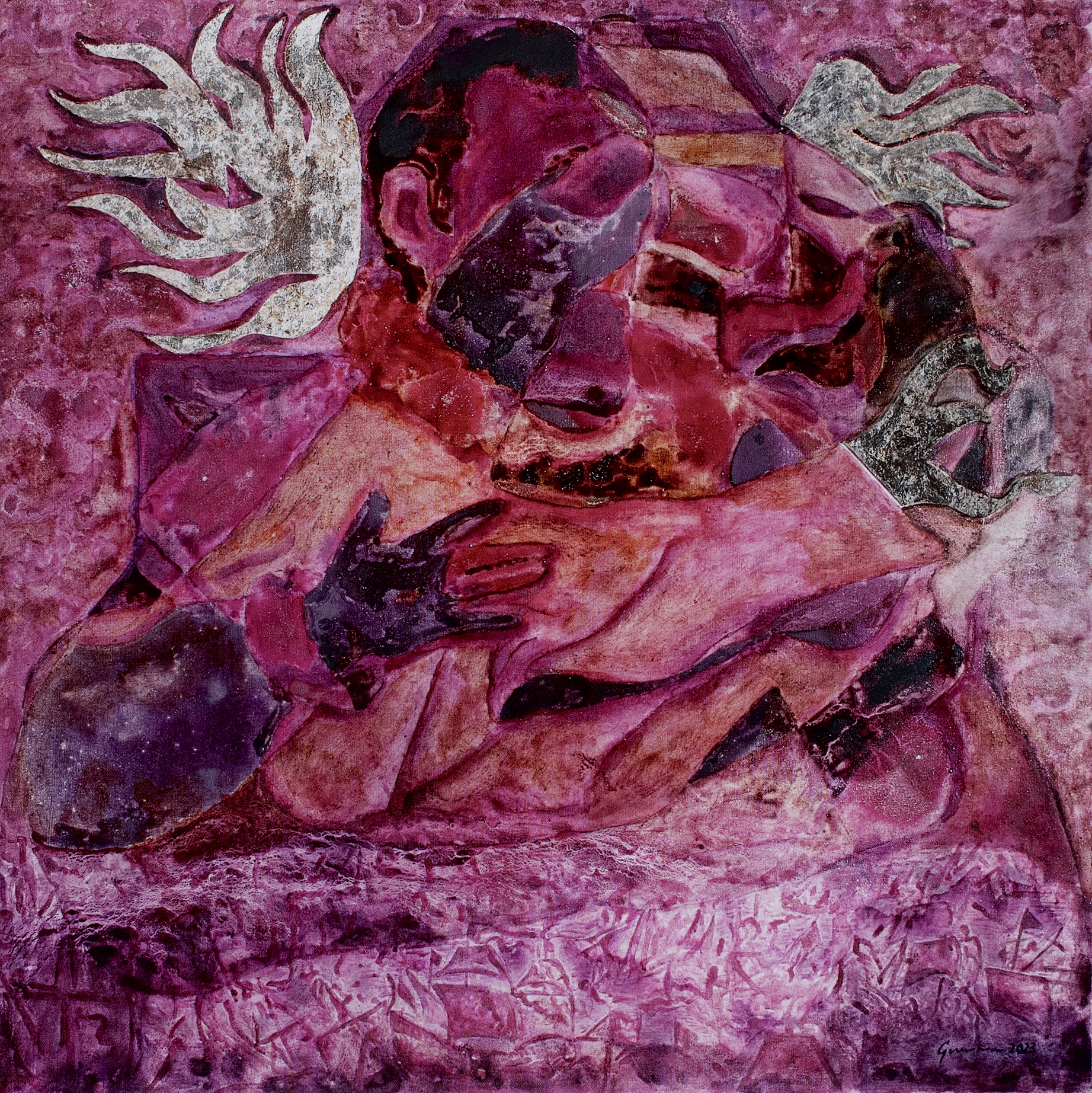
“Luminous and Visible Tribute” Cochineal ink and tempera with silver leaf on canvas. 100 x 100 cm. 2023 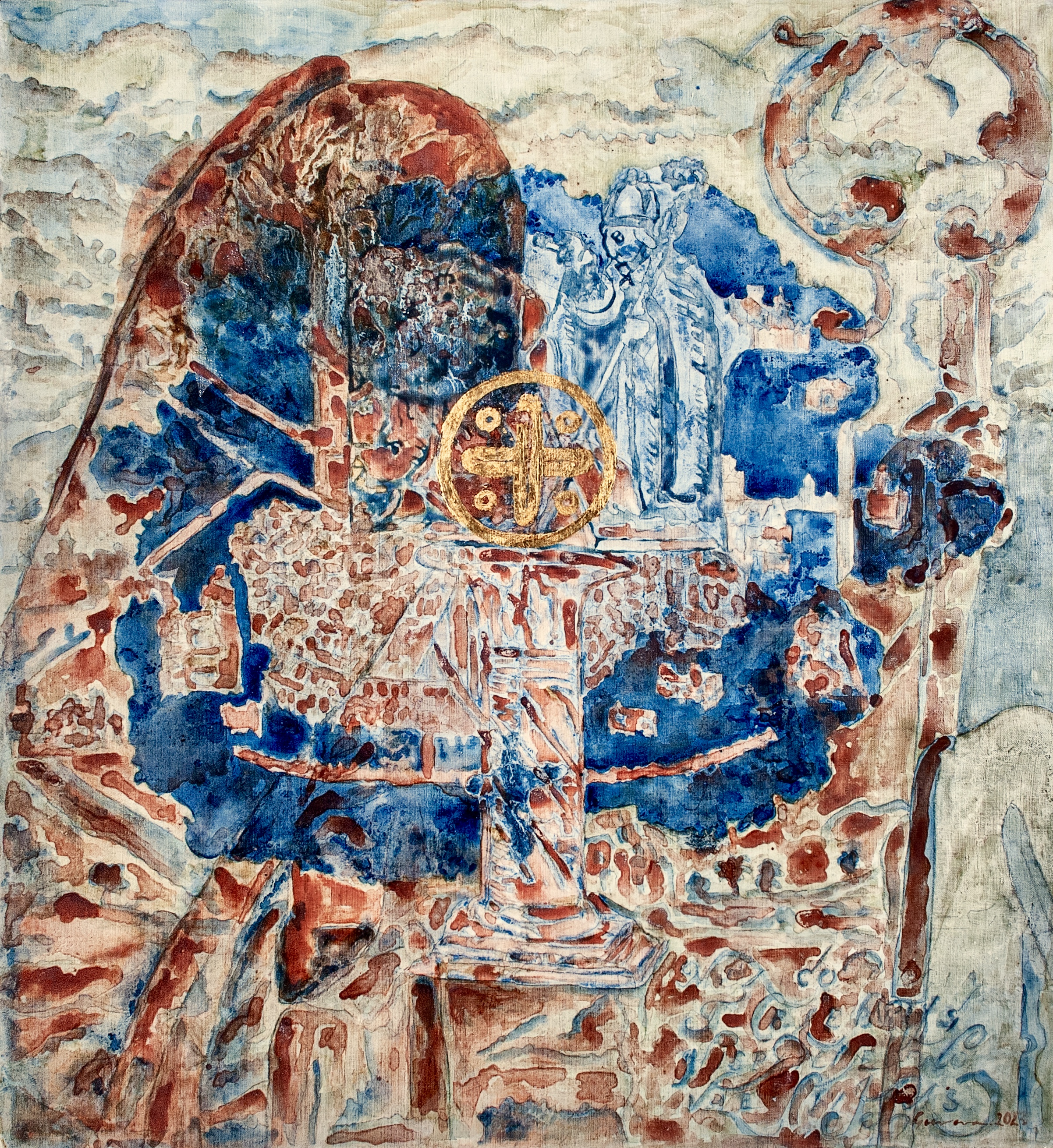
“Teocuitlatl or The True Doctrine” Cochinieal, indigo, pericon, and oak pigment with 23.5 k gold leaf on canvas. 98 x 94 cm. 2023
In a similar manner, all the works in Lo Visible del Reflejo invite the viewer to suspend their ordinary ways of understanding art and history and to push through “unseen” forms and materials to reveal their true value. The true significance of this exhibition—and, in many ways, of all of Guevara’s works from his 25-year career—lies in the intention to render the visible invisible and the invisible visible. It is within these gaps that this new, yet ancient, mode of seeing emerges, demanding from the viewer new ways of perceiving history and recognizing our own implications hidden in plain sight.
Emmanuel Ortega, Curator. December 2025

ARQUETOPIA
Arquetopia is not a museum or cultural center, nor is it a house for art. It is an unconventional space of disruption that centers mobility as the origin of the ethical problem and violence in the processes of artistic production, especially in Mexico and Peru. Its programs draw from diverse global knowledge and experiences, creating intersections to challenge perspectives and ways of seeing, particularly those that prioritize beauty over thought, aesthetics over responsibility, or irony over awareness.
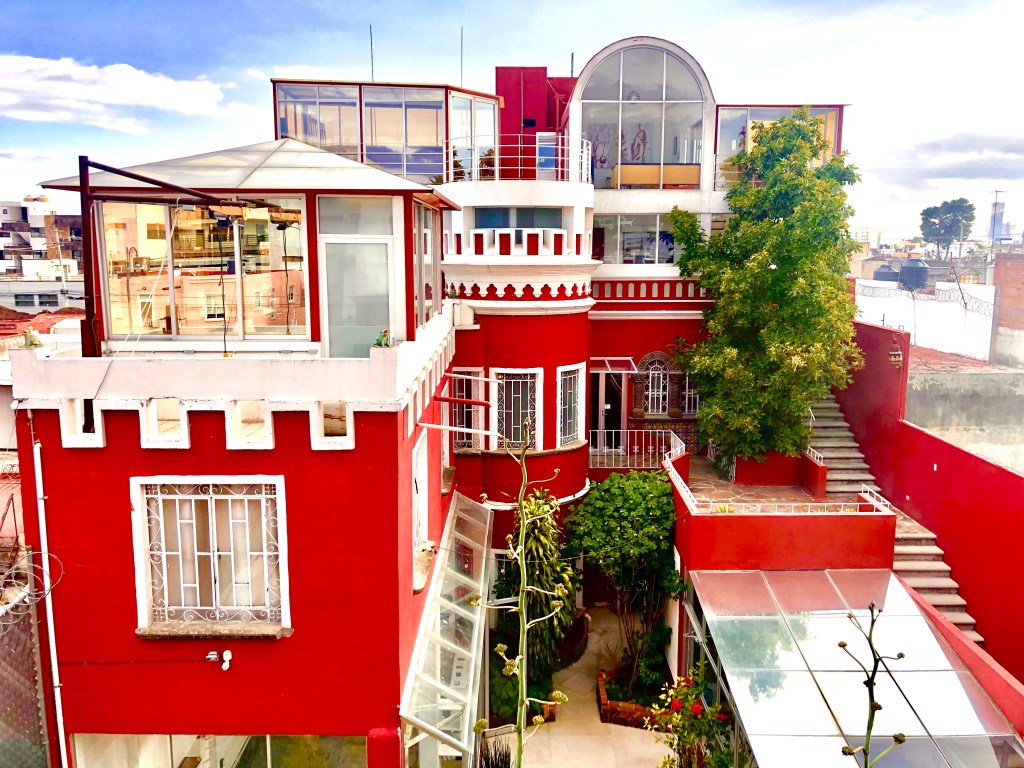
On its 15th anniversary, Arquetopia positions itself as the anti-residency, distancing itself from the exploitation that art often promotes and reimagining the artist as an agent of change. However, an agent of change is not the creative genius inspired by nature, nor the one who views social changes with suspicion, only to benefit from its abstraction and representation. Rather, they are the persons who daily seeks new forms of coexistence without losing sight of the injustices occurring around them.
This compels us to recognize, that the only viable path is the anti-colonial one, rooted in reciprocity and collaboration, challenging relationships between class, geography, and species, and consistently referencing colonialism while actively opposing neo-imperialism. Community must be understood as more than a place to visit or an extension of landscape, and under no circumstances can it be evaluated or rated based on customer satisfaction. Reciprocity entails questioning ourselves critically while extending a hand generously to walk together into the unknown.
This is how Arquetopia celebrates its fifteenth anniversary, reaffirming its commitment to remain a critical, dynamic, and creative space where ethics always take precedence and the responsibility to challenge racism, sexism, and classism is shared with artists.
Are you interested in collaborating? Contact us here http://www.arquetopia.org/
ARQUETOPIA EMBASSY PROGRAM 2025-2027
In celebration of its 15th anniversary, Arquetopia, in collaboration with the Government of Mexico and through its Embassies, Consulates, and various institutions, is launching an extensive program of touring exhibitions focusing on critical themes aimed at reaching diverse audiences. These exhibitions will be presented at various international venues, including:


- Mexico
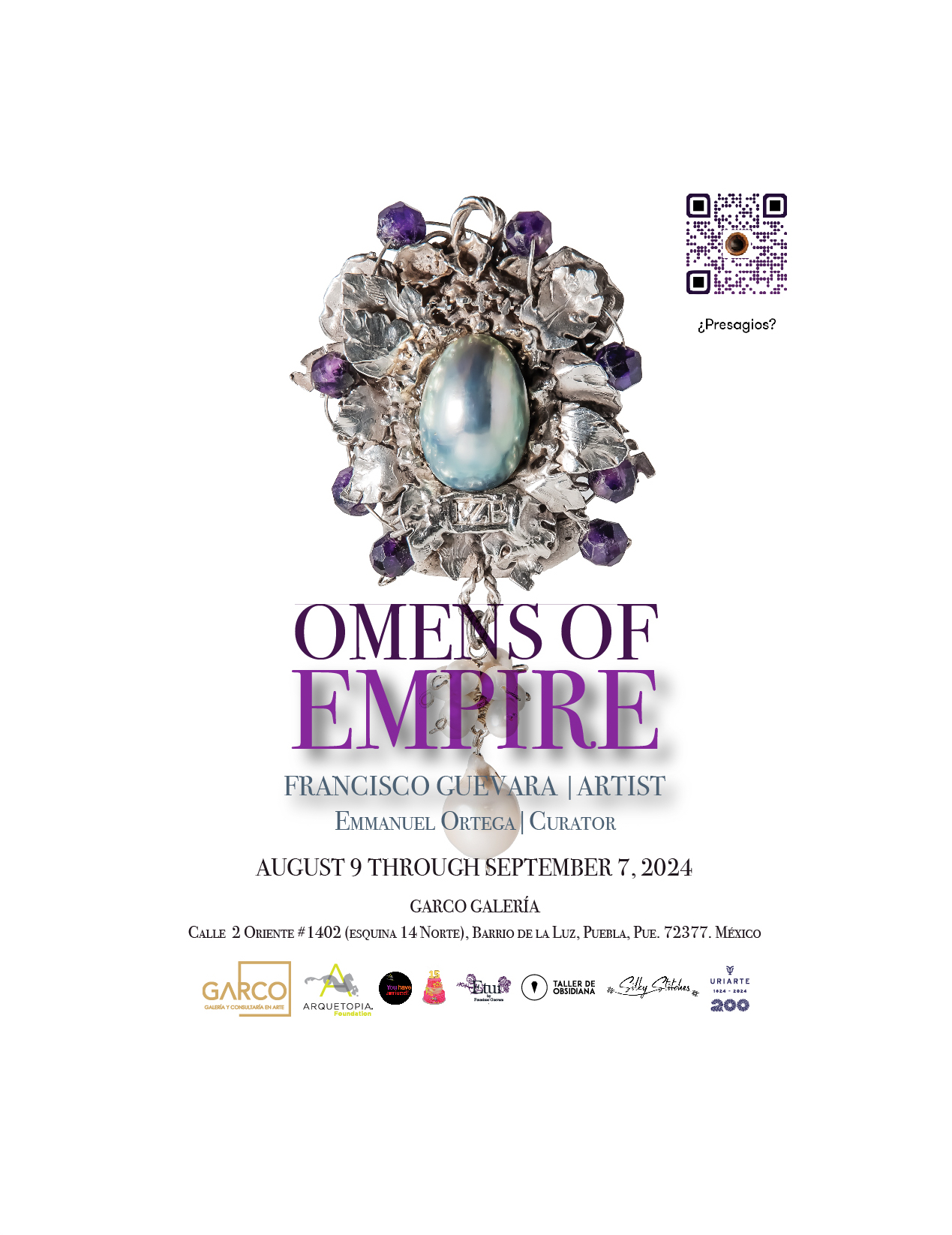
- “Omens of Empire” GARCO Galería, Puebla, Pue.
- “De lo Bello a lo Invisible” Museo José Luis Bello y González, Museos Puebla
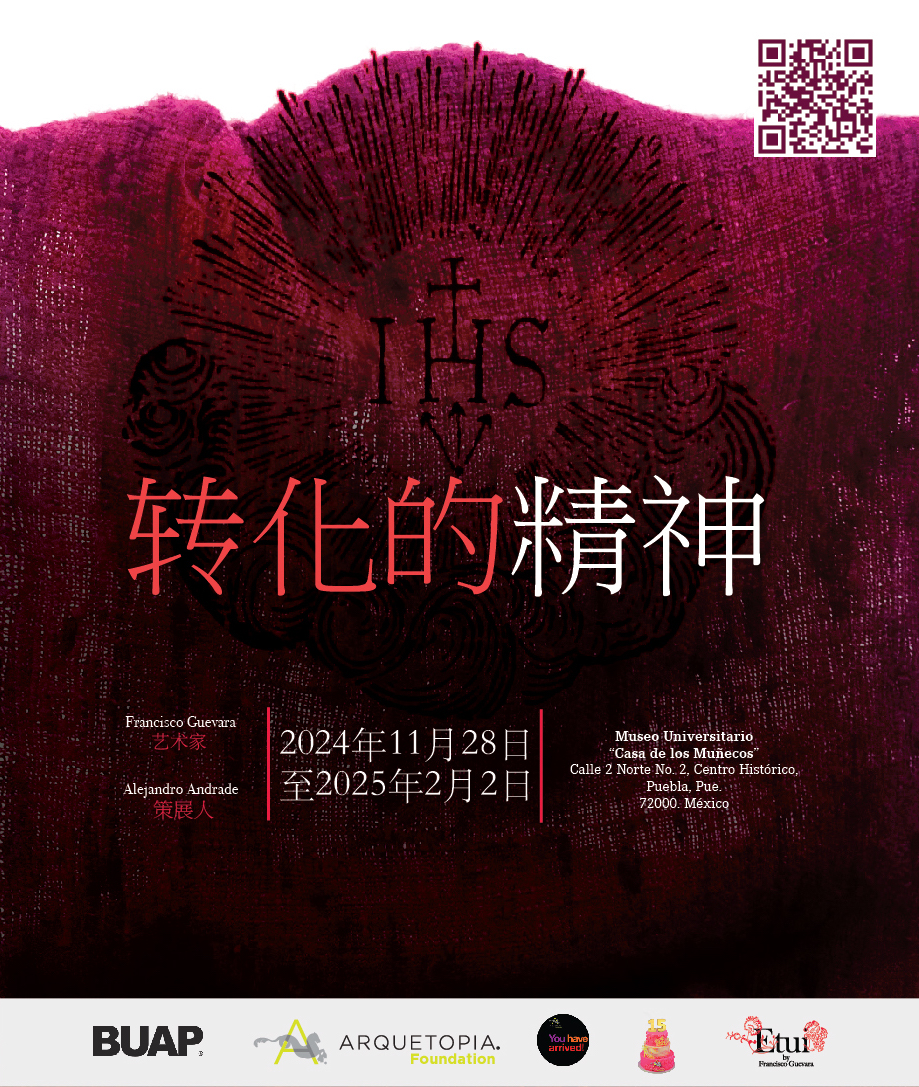
- “Ethos of Transfiguration” Museo Universitario Casa de los Muñecos BUAP, Puebla
- Brazil
- Museu Historico Nacional / Consulado de México en Río
- Nigeria
- Embassy of Mexico in Nigeria
- USA
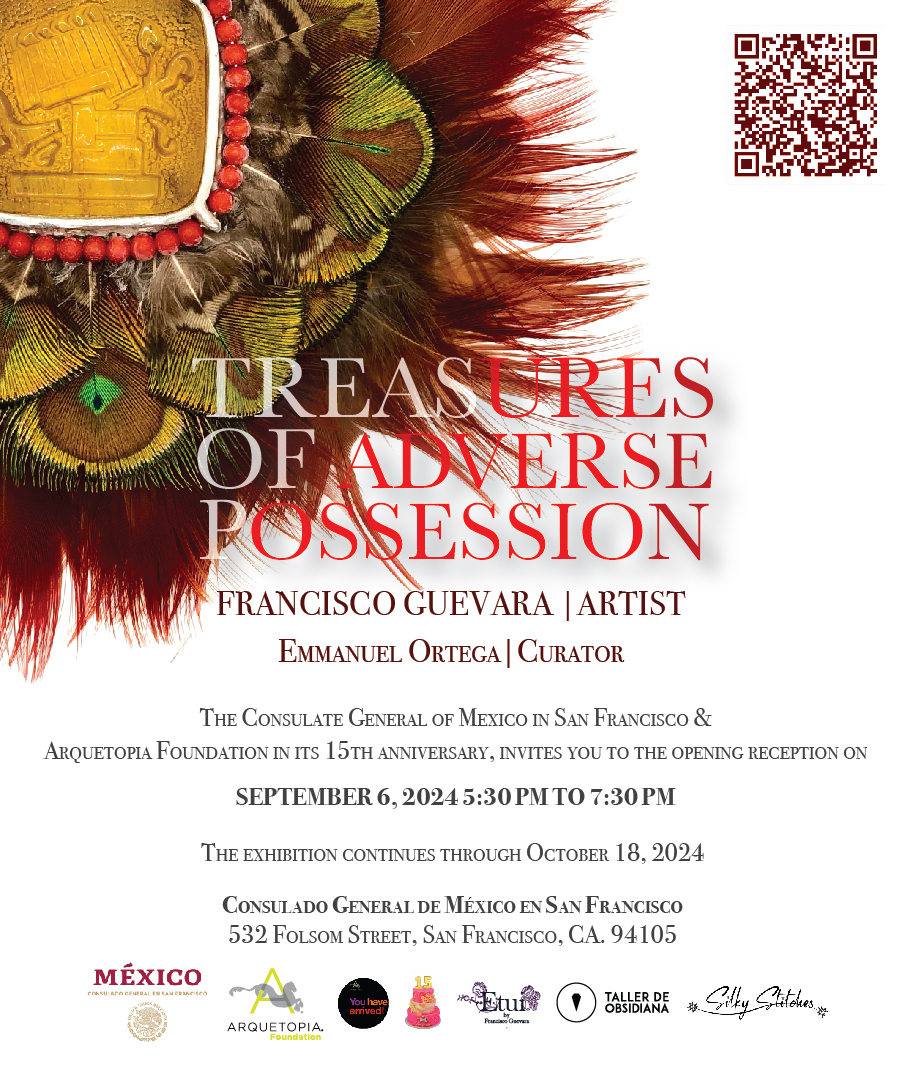
- “Treasures of Adverse Possession” Consulate General of México in San Francisco
- “Lo Visible en el Reflejo” Consulate General of México in Sacramento
- Consulate General of México in Los Angeles
- Consulate General of México in Phoenix
- Consulate General of México in New Orleans
- Consulate General of México in Atlanta
- Consulate General of México in Raleigh
- Consulate General of México in New Brunswick
FRANCISCO GUEVARA | ARTIST & CURATOR
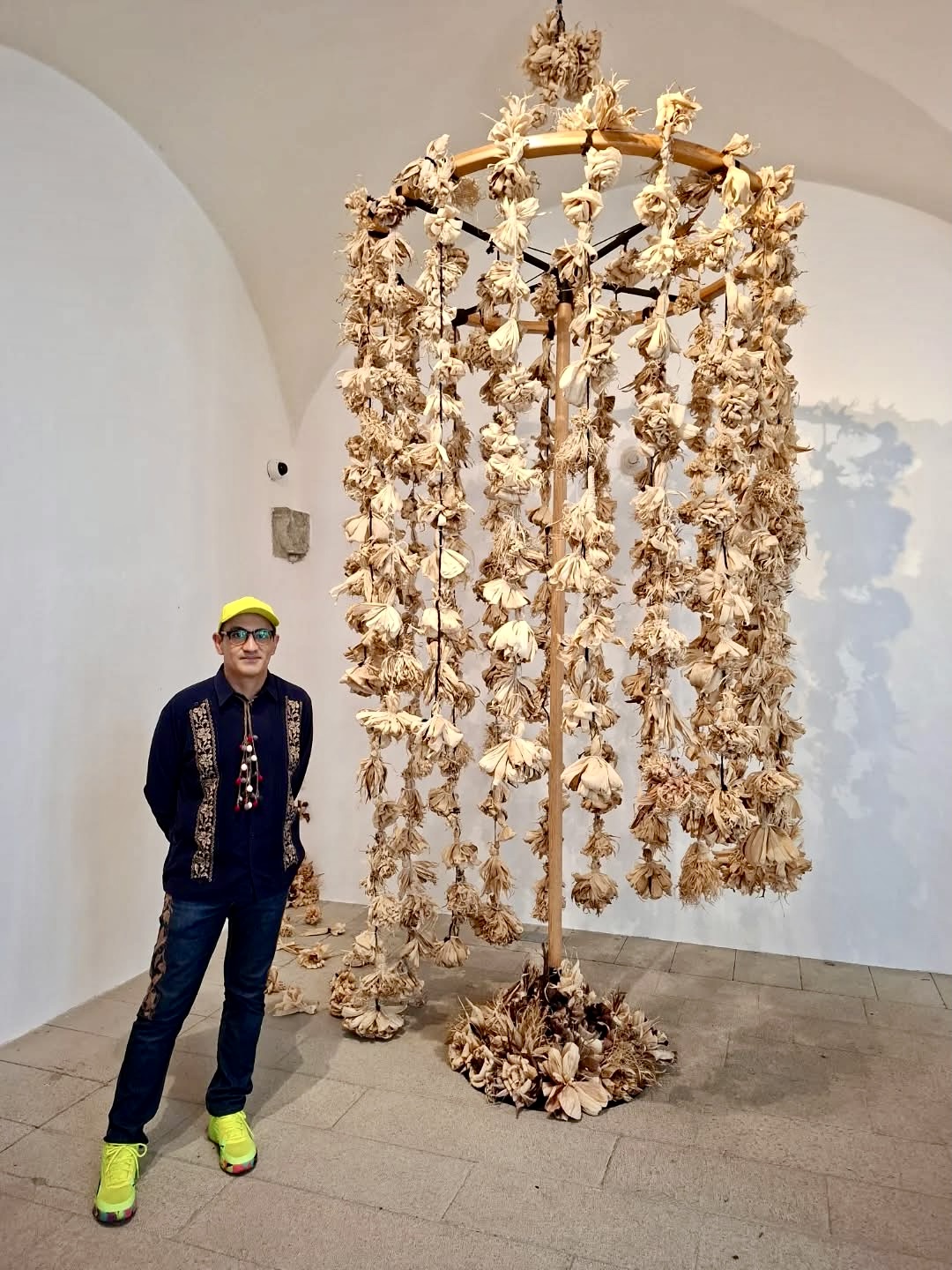
Francisco Guevara is a visual artist and independent scholar whose conceptual practice reveals the entanglements between art, power, and the writing of art history. His work examines how violence is produced through the construction of identity and the body, using materials that carry both historical and ethical weight. Working across painting with organic pigments, installations involving food, and the use of precious materials such as feathers, silver, and gemstones, Guevara explores how visual culture shapes our perception of history, beauty, and society.
In 2025, Guevara celebrates twenty-five years of artistic practice. He has exhibited widely in solo and group shows internationally. His most recent exhibitions—Omens of Empire at GARCO, Treasures of Adverse Possession at the Consulate of Mexico in San Francisco, Ethos of Transfiguration at the Museo Universitario Casa de los Muñecos (BUAP), and De lo Bello a lo Invisible at the Museo José Luis Bello y González—have renewed interest in his work, particularly for its collaboration with museums and permanent collections to explore themes of coloniality, color, and the ethics of extraction. His work is part of major public and private collections including Museo Jumex, Museo Dolores Olmedo Patiño in Mexico City, the Salma Hayek–Pinault Collection, and the Margrethe II Collection in Denmark.
Guevara studied Law at the Escuela Libre de Derecho, International Relations at ITAM, and Art at BUAP and the Universidad del Claustro de Sor Juana. Early in his career, he was mentored and supported by the renowned collector Dolores Olmedo Patiño. He later completed postgraduate studies in Development Cooperation Project Management (UNED, OEI, and CIDEAL), Cultural Management and Communication (FLACSO Argentina), and earned the Ferrán Adrià Chair diploma from Universidad Camilo José Cela. He is currently pursuing studies in Art Historiography at the University of New Mexico under the mentorship of Dr. Kirsten Pai Buick.
Guevara is the co-founder of Arquetopia Foundation, an internationally recognized nonprofit arts foundation with sites in Puebla, Oaxaca (Mexico), and Cusco (Peru). Since 2009, Arquetopia has fostered social transformation through educational, artistic, and cultural programs. Guevara specializes in anticolonial ethical models applied to cultural ecosystems and in the analysis of contemporary artistic practices. His essays, critical texts, teaching methods, and lectures have been disseminated internationally and translated into several languages. His work spans international cooperation, alternative economies, intangible heritage, and visual arts education.
SPONSORS
Arquetopia Foundation and International Artist Residencies
 Francisco Guevara