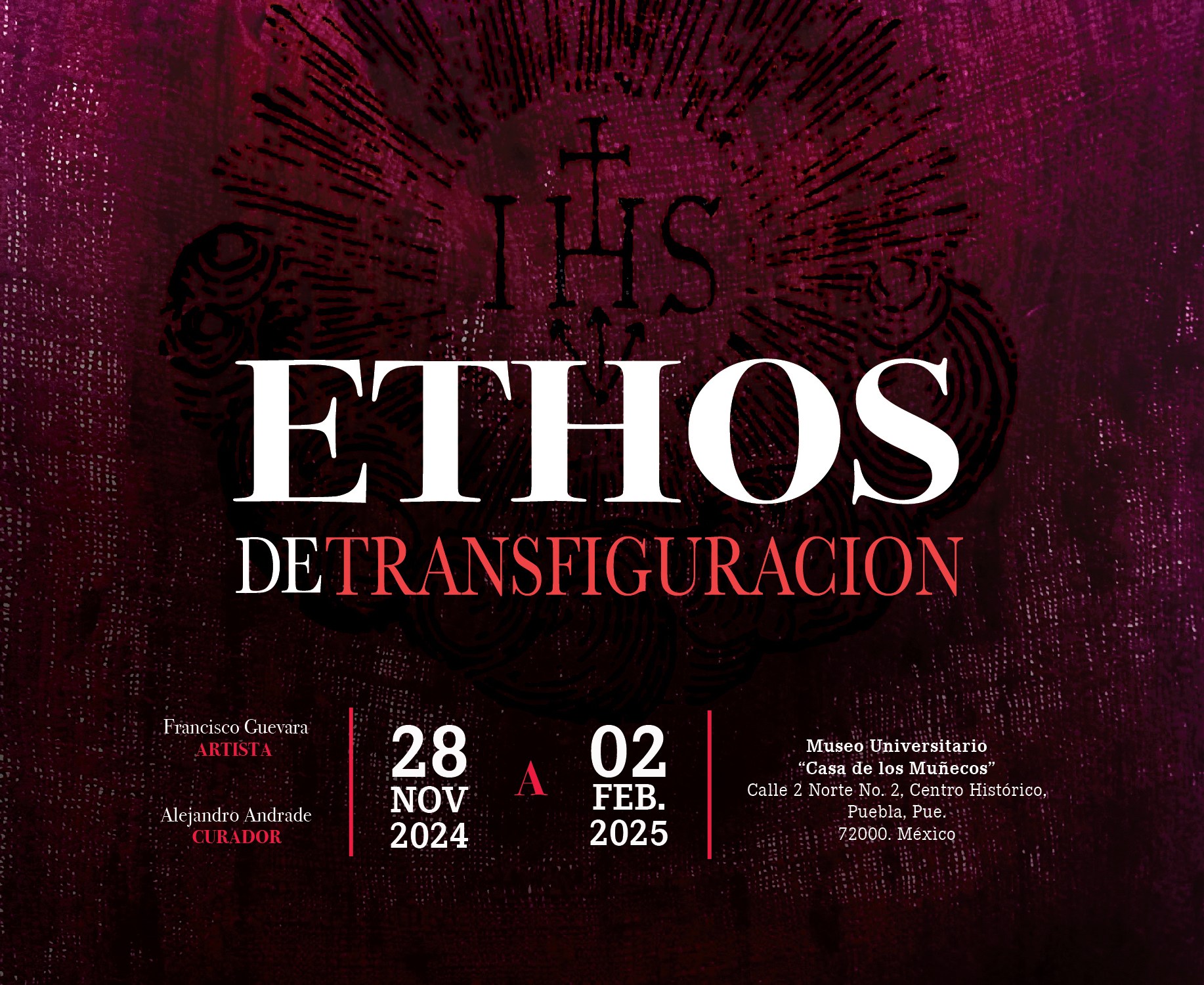
Opening Reception / Inauguración
Thursday November 28 / Jueves 28 de noviembre, 2024, 13:00 hrs
Museo Universitario Casa de los Muñecos Calle 2 Norte #2, Centro Histórico, Puebla, Pue. 72000.

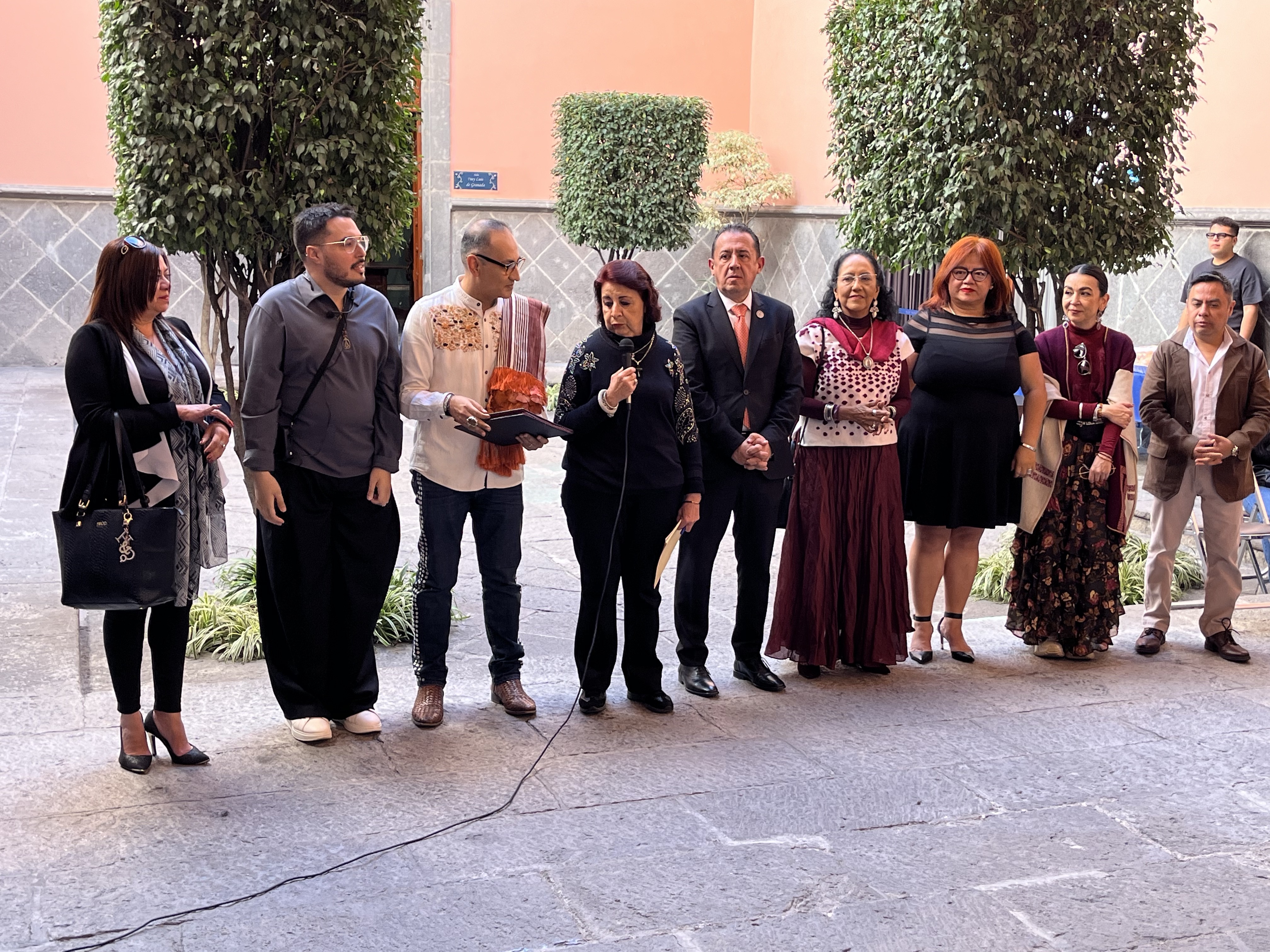
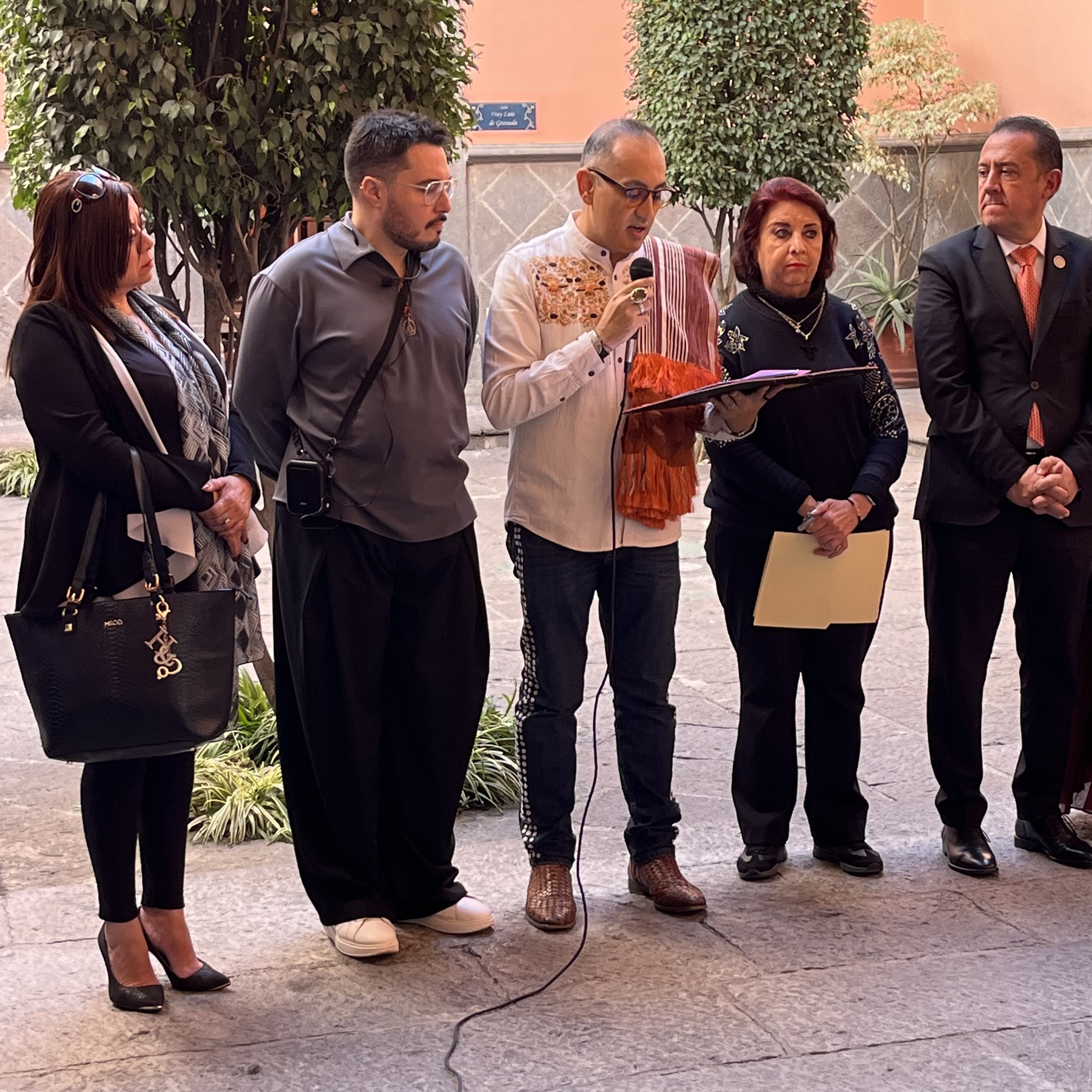
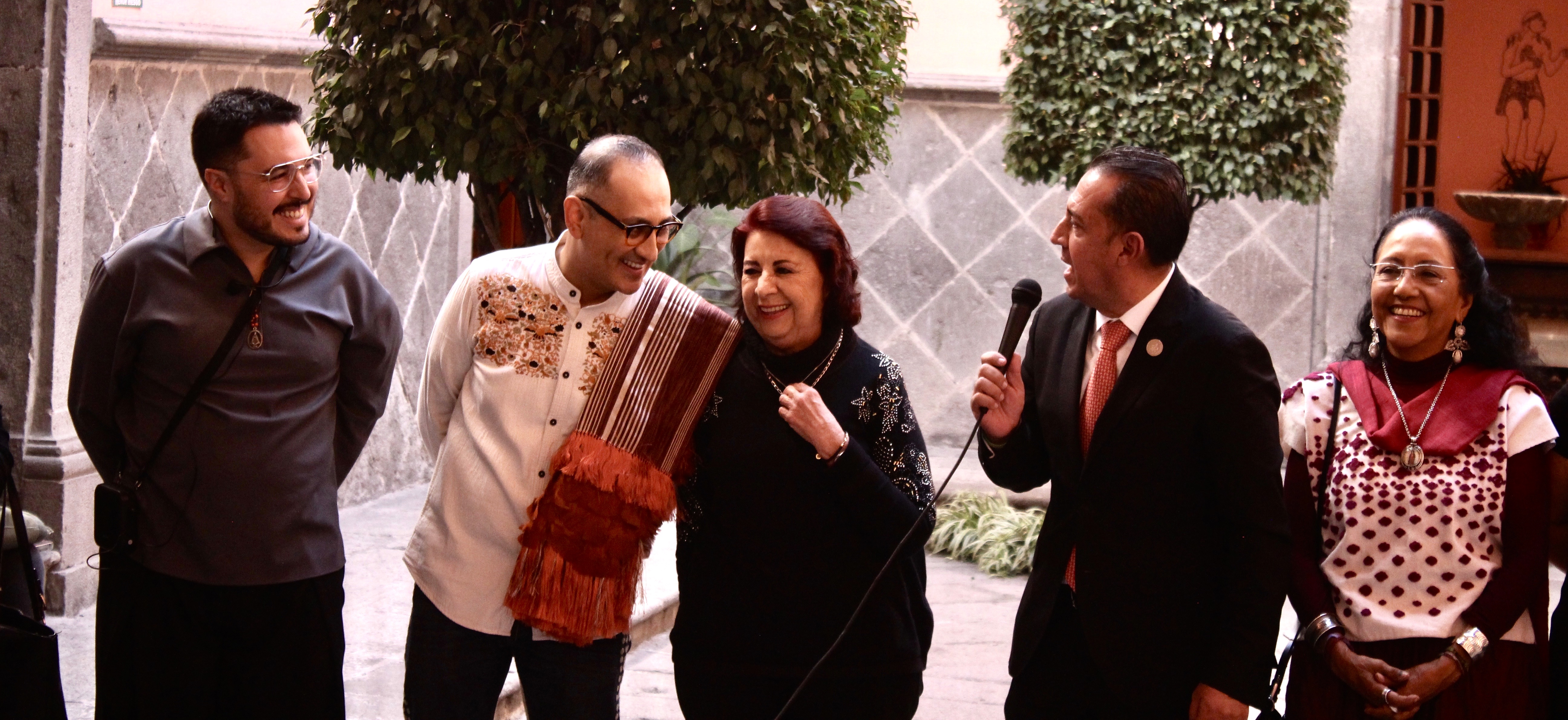
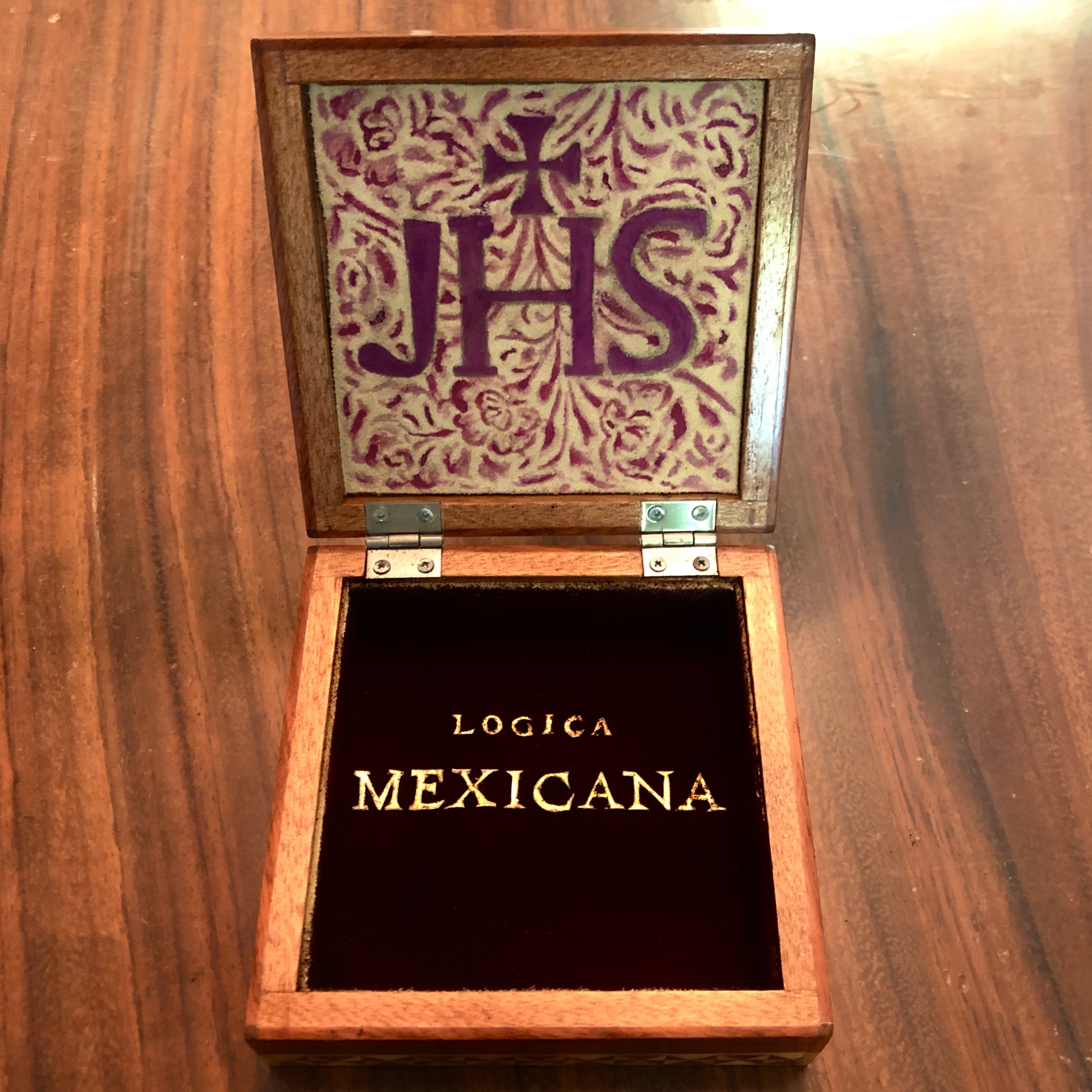
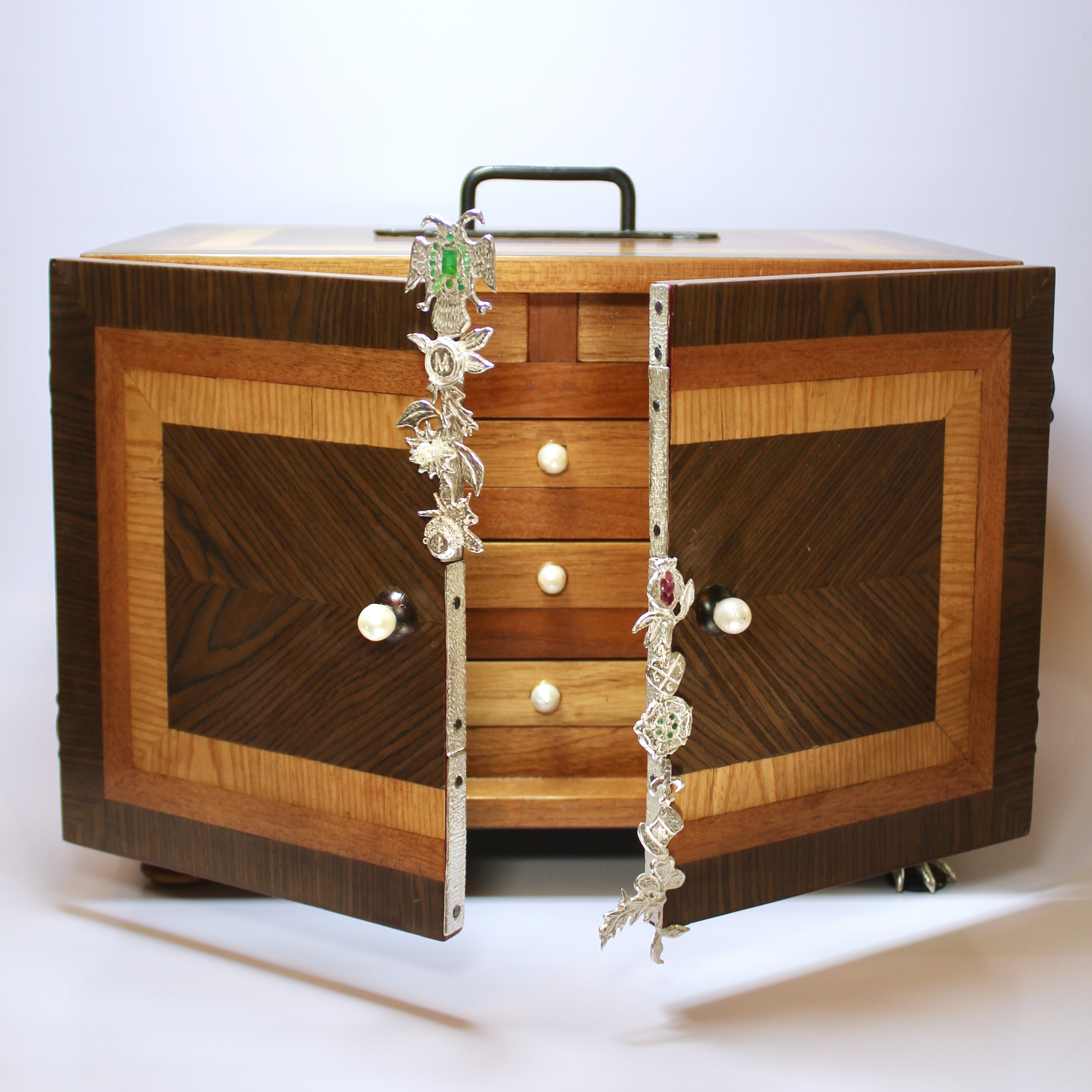
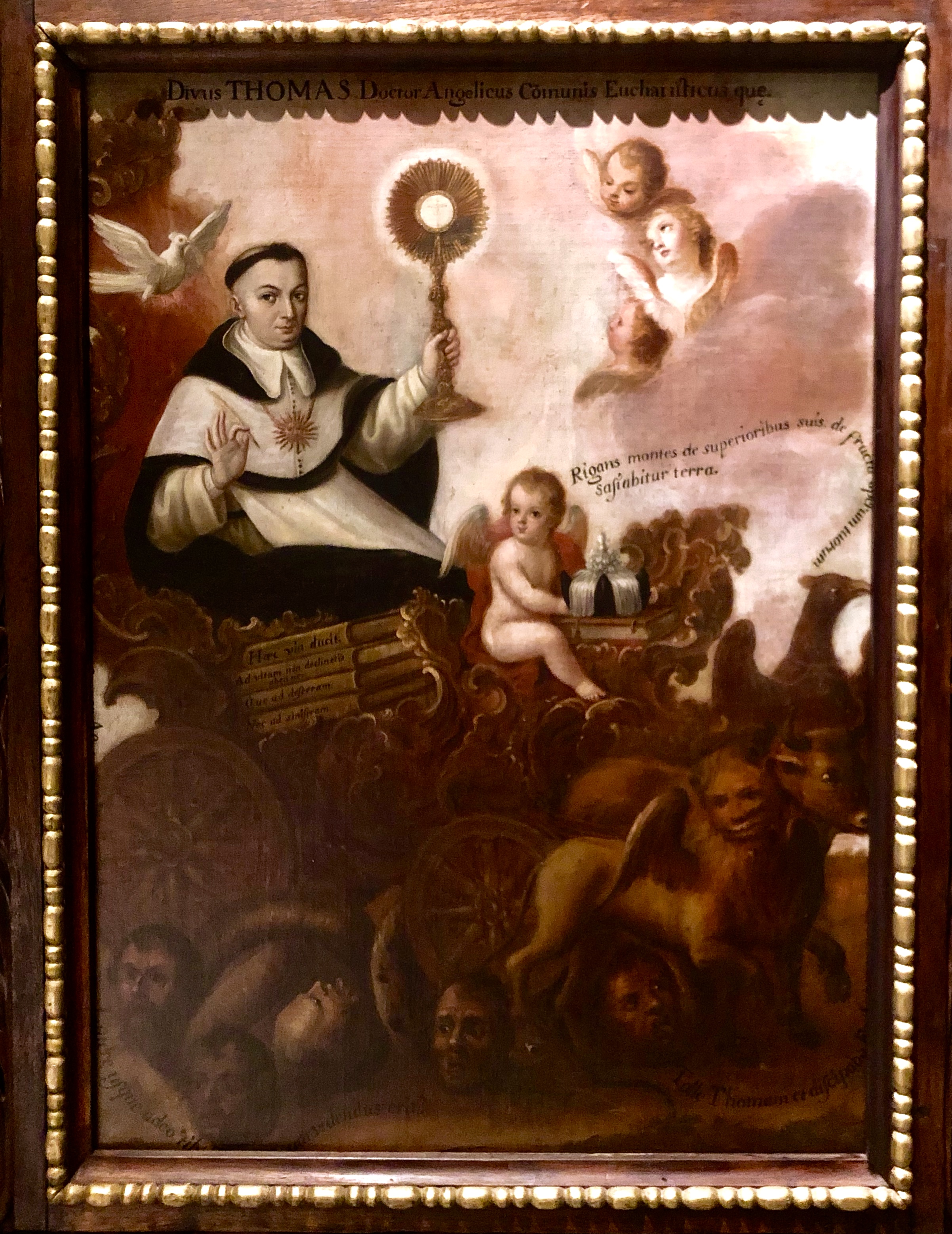
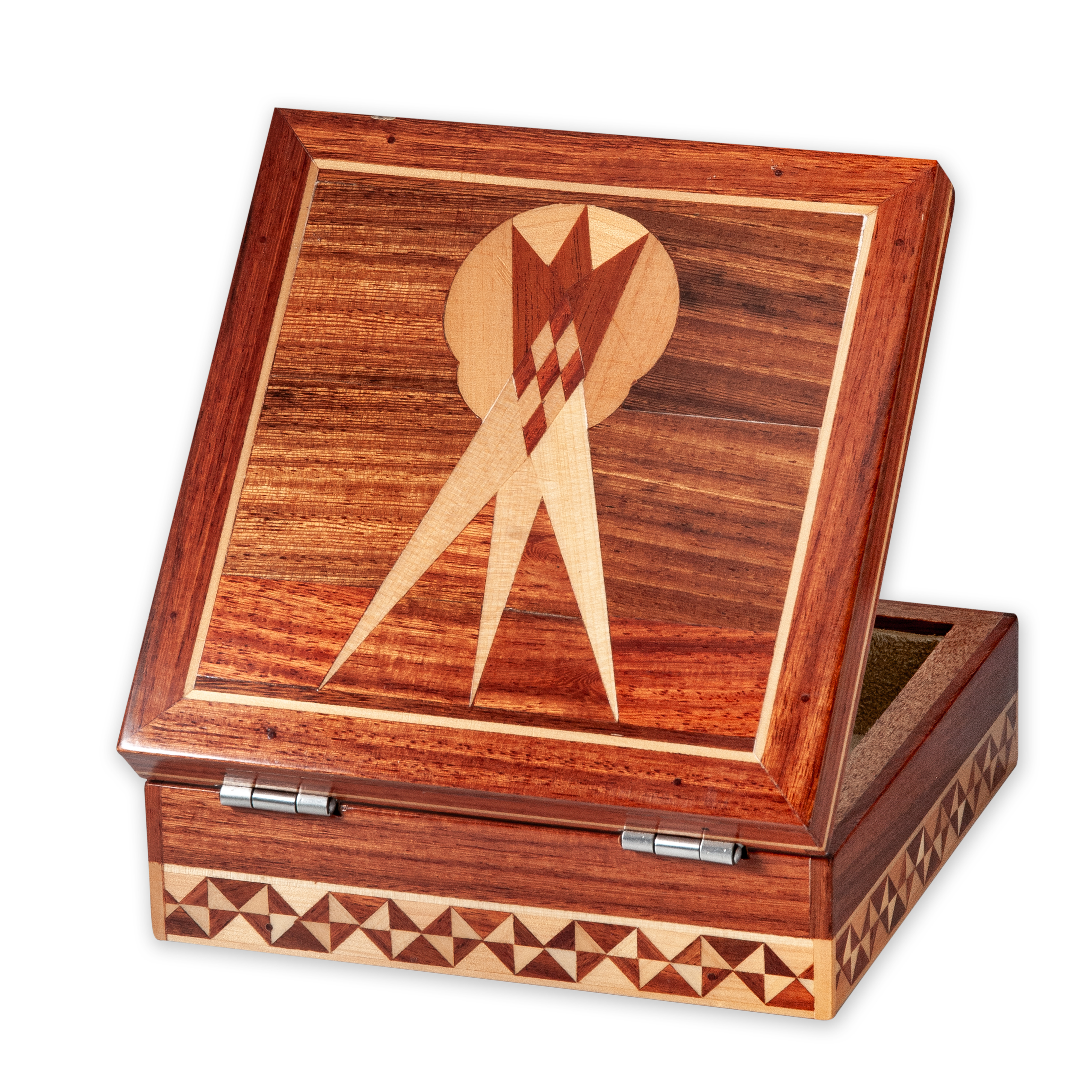
The contemporary art and Spanish colonial art exhibition “Ethos of Transfiguration” by artist Francisco Guevara, curated by art historian Dr. Alejandro Julián Andrade, at the Museo Universitario Casa de los Muñecos BUAP, presents the preciousness of cochineal red as a thread weaving together stories that seem to have been forgotten. Focused on the complex legacy of the Society of Jesus, the exhibition also addresses the patronage of Don Melchor de Covarrubias and the humanistic and scientific mission of the Benemérita Universidad Autónoma de Puebla. It is an artistic and material journey through carmine, a natural pigment that not only transformed Spanish Colonial painting but also became a cornerstone of the global colonial economy, profoundly influencing color technologies and art in Europe. The artworks included contextualize the use of carmine, particularly through Puebla’s ordinances, and explore the political-religious tensions tied to the history of the Jesuits and the artistic and intellectual elite they cultivated over several centuries. “Ethos of Transfiguration” establishes a philosophical and material dialogue through contemporary pieces employing diverse artistic techniques such as featherwork, textiles, marquetry, tempera painting, silverwork, and 17th- and 18th-century paintings, contrasting the unique brilliance and movement of cochineal. This exhibition not only pays tribute to the artistic and cultural legacy preserved by the BUAP but also invites the viewer to explore their own history through color.

La exposición de arte contemporáneo “Ethos de Transfiguración” del artista Francisco Guevara, con la curaduría del historiador del arte Dr. Alejandro Julián Andrade, en el Museo Universitario Casa de los Muñecos BUAP, presentan la preciosidad del carmín de la grana cochinilla como hilo conductor de historias que parecieran haber sido olvidadas. Centrada en el complejo legado de la Compañía de Jesús, la exposición también aborda el patronazgo de Don Melchor de Covarrubias y la misión humanista y científica de la BUAP. Es un viaje artístico y material a través de la grana, un pigmento natural que no solo transformó el arte del virreinato, sino que se convirtió en una piedra angular de la economía colonial global, impactando profundamente las tecnologías del color y el arte en Europa. Las obras expuestas contextualizan el uso del carmín, especialmente a través de las ordenanzas de Puebla, y exploran las tensiones político-religiosas vinculadas a la historia de los jesuitas y la élite artística e intelectual que cultivaron durante varios siglos. “Ethos de Transfiguración” establece un diálogo filosófico y material a través de piezas contemporáneas que emplean diversas técnicas artísticas, como plumaria, textiles, marquetería, pintura al temple, platería y pintura de los siglos XVII y XVIII, contrastando el brillo y movimiento singular de la grana cochinilla. Esta exposición no solo rinde homenaje al legado artístico y cultural preservado por la BUAP, sino que invita al espectador a investigar su propia historia a través del color.
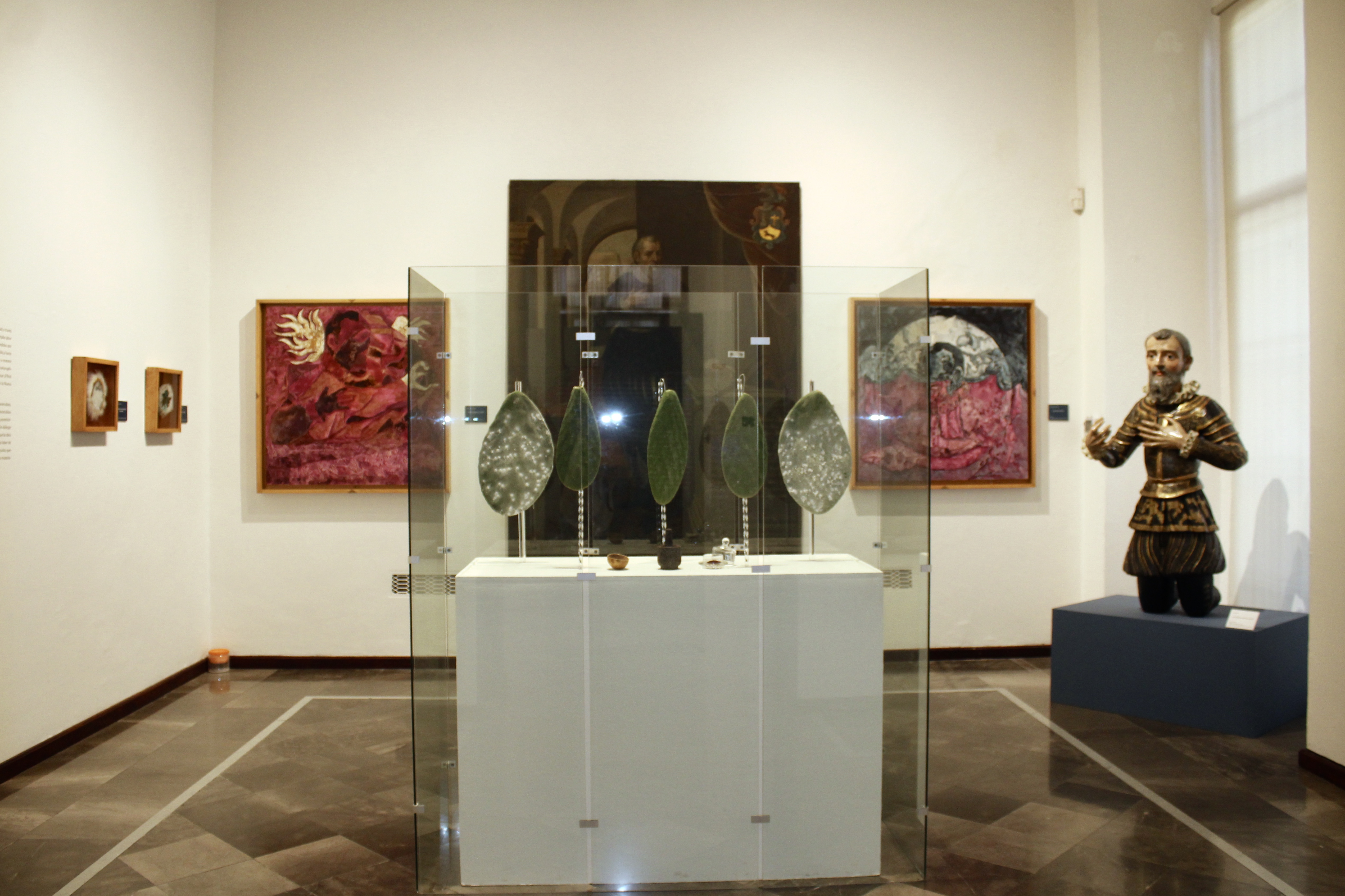
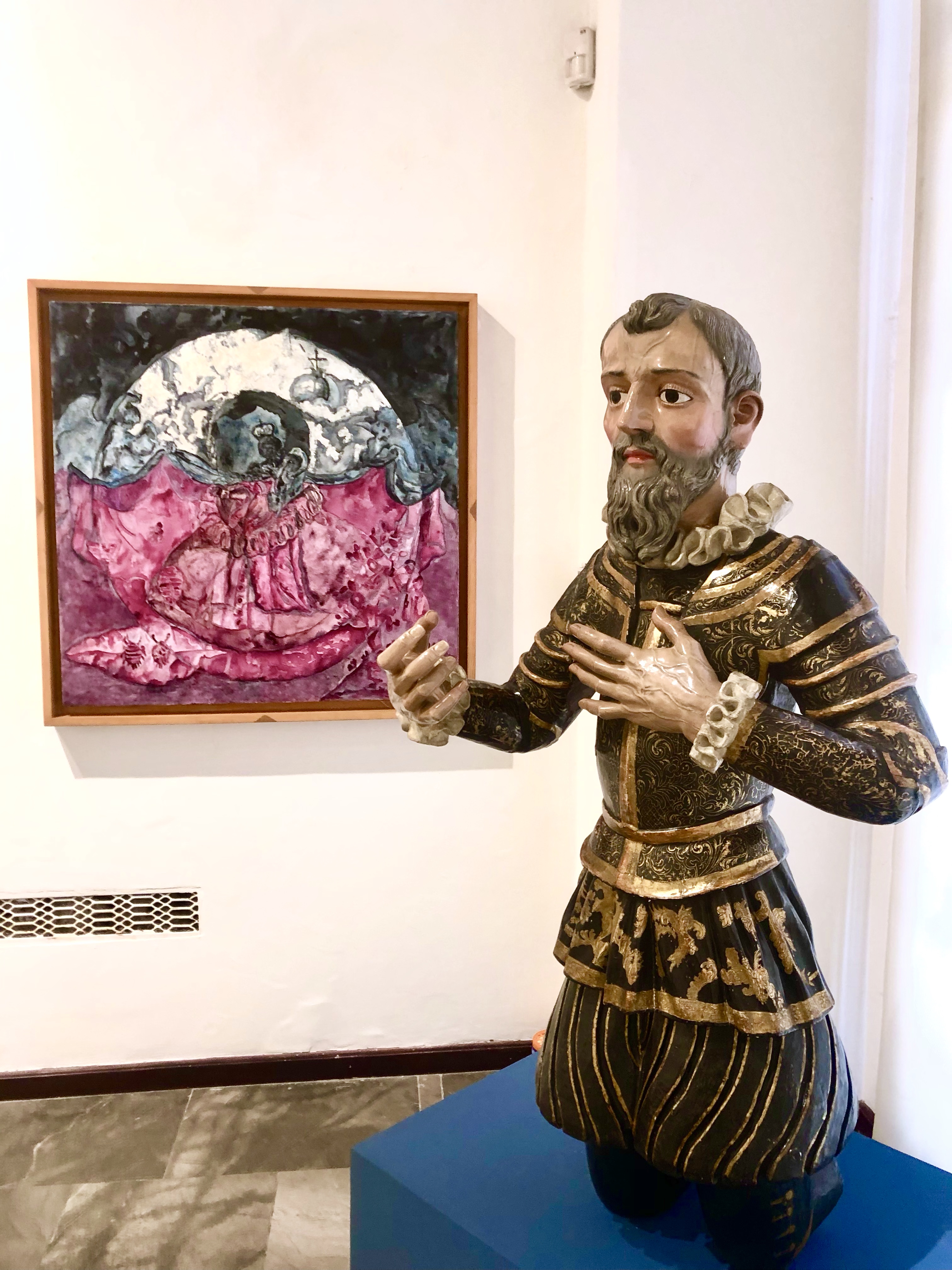

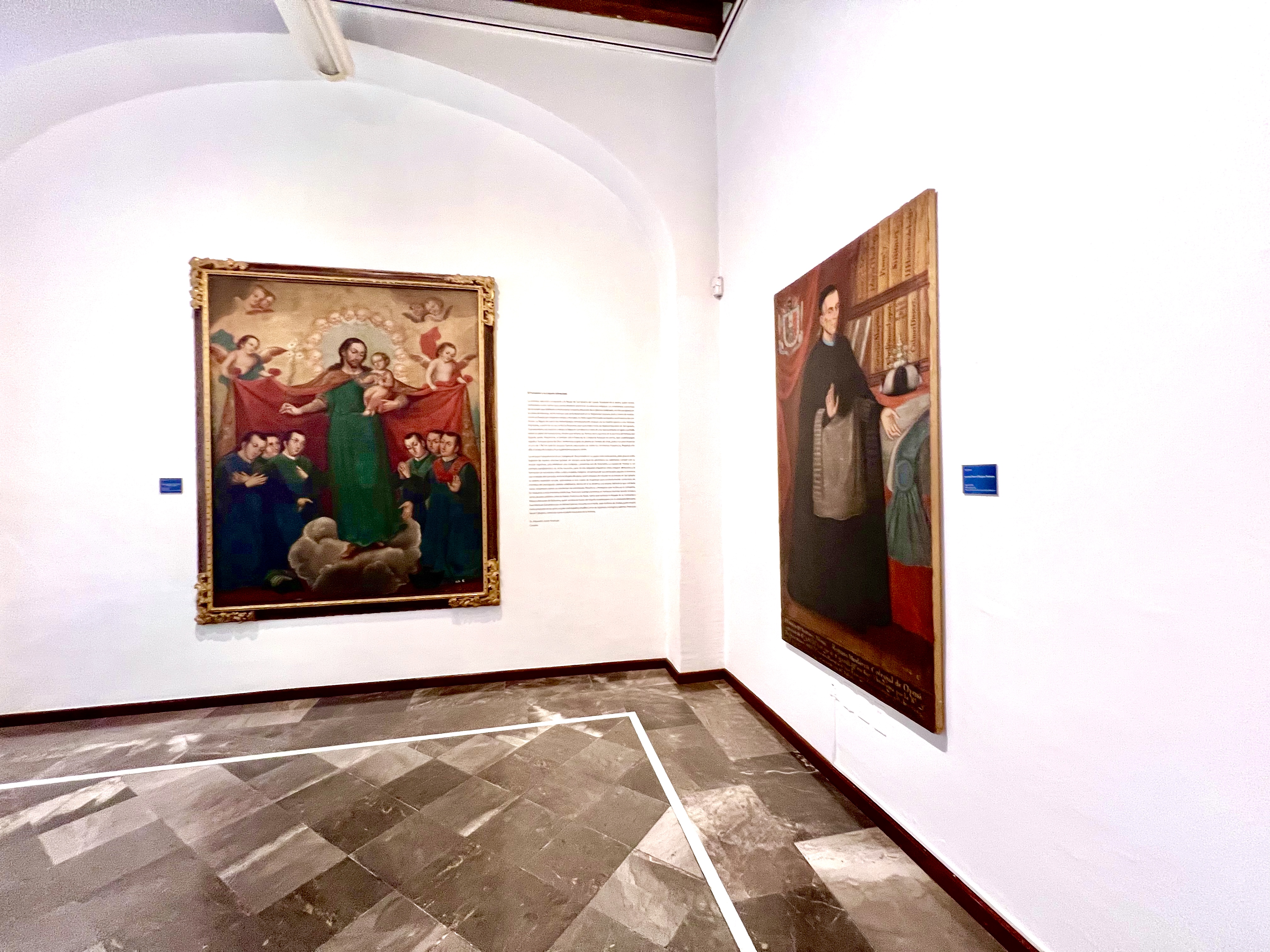


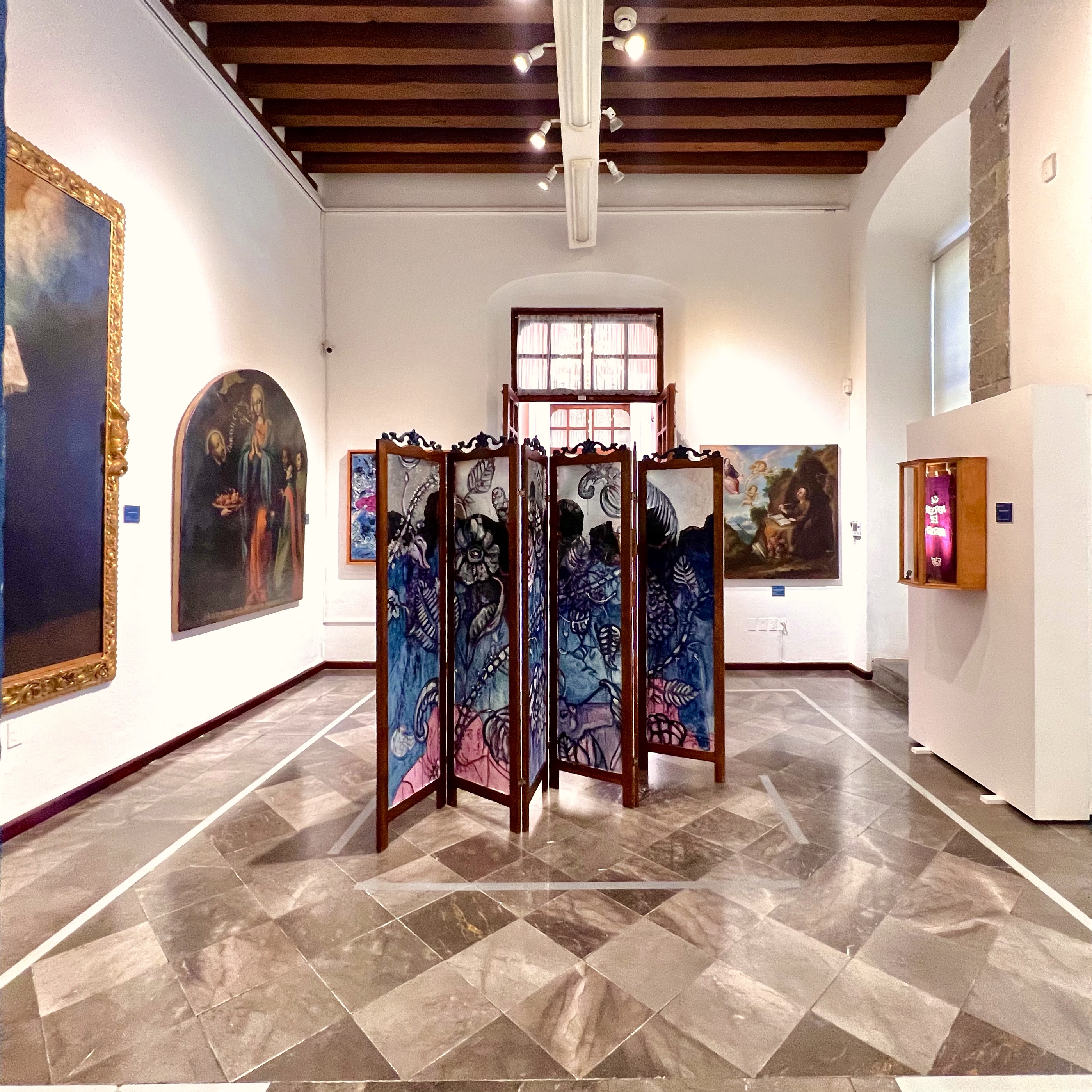
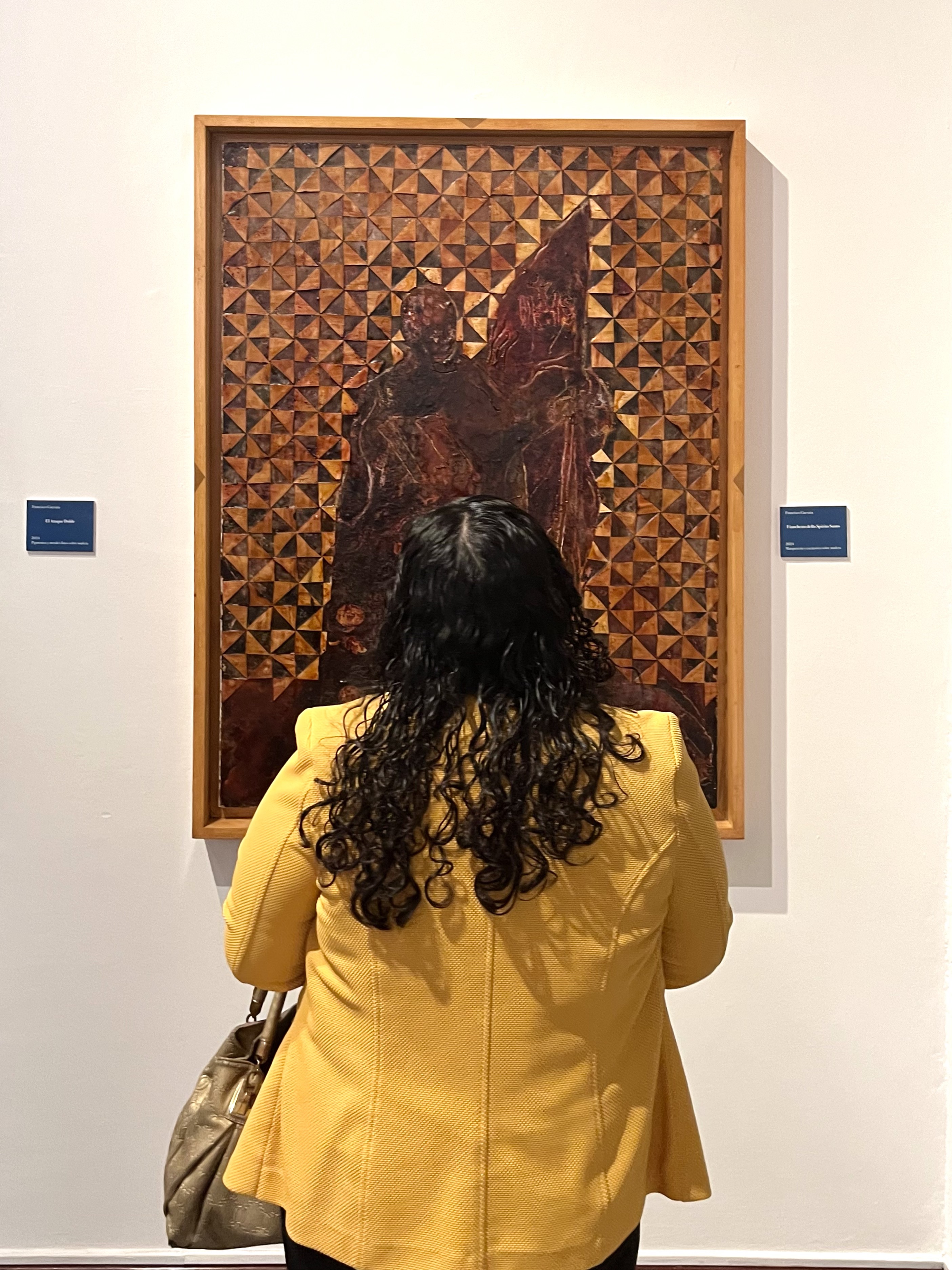

Scarlet red, a color that evokes passion and power, marked the transformative endeavors of the Society of Jesus in the Americas. As they sought to expand Catholic ideology, the Jesuits established themselves in the colonial city of Puebla, Mexico, becoming their ideological center and leveraging civil patronage to solidify their influence. Cochineal became central to their missionary efforts, providing the wealth necessary to establish influential educational institutions, all derived from the exploitation of native populations. Through the lens of cochineal and patronage, the Jesuits left an indelible mark on Puebla, showcasing the complex relationship between spirituality and colonial ambition.
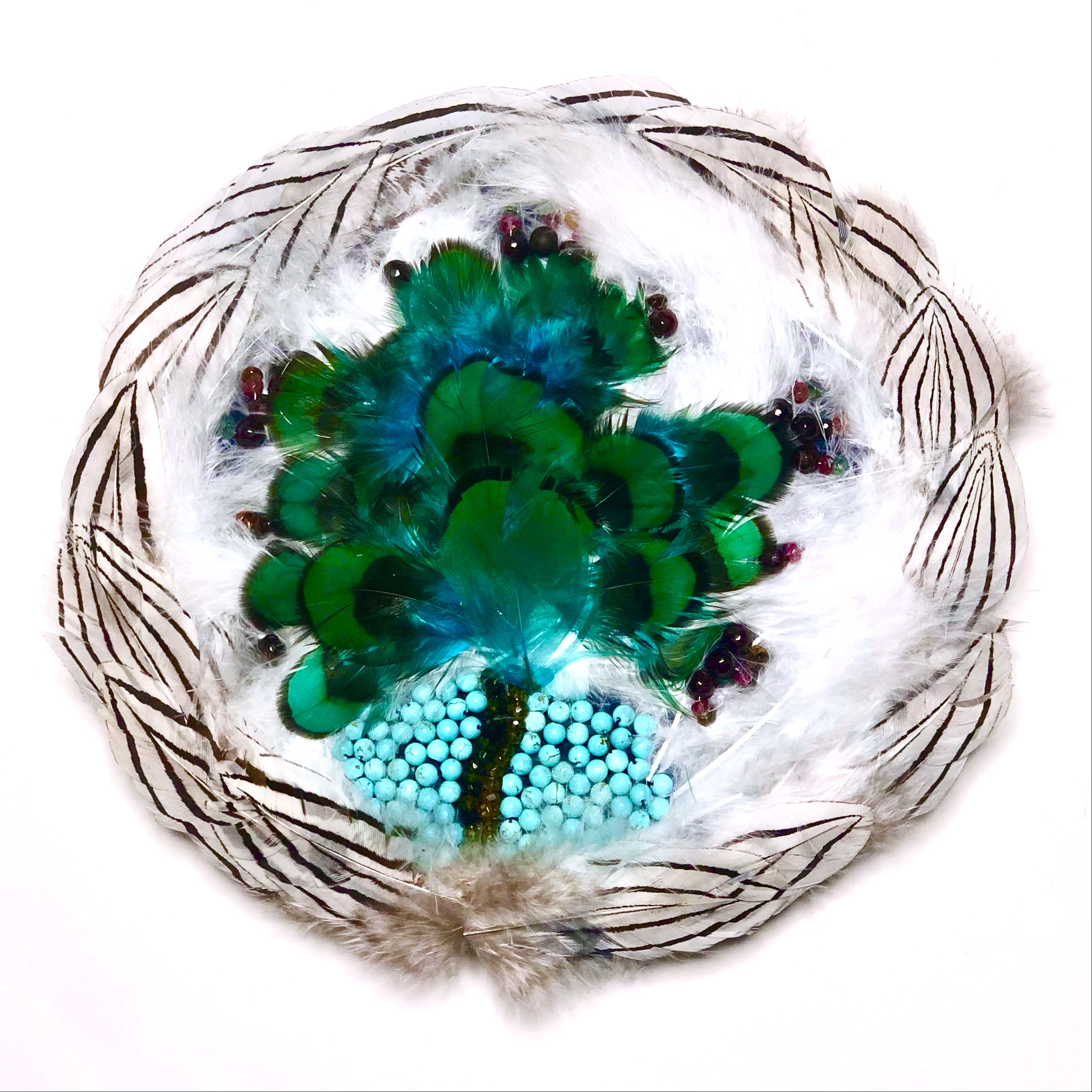
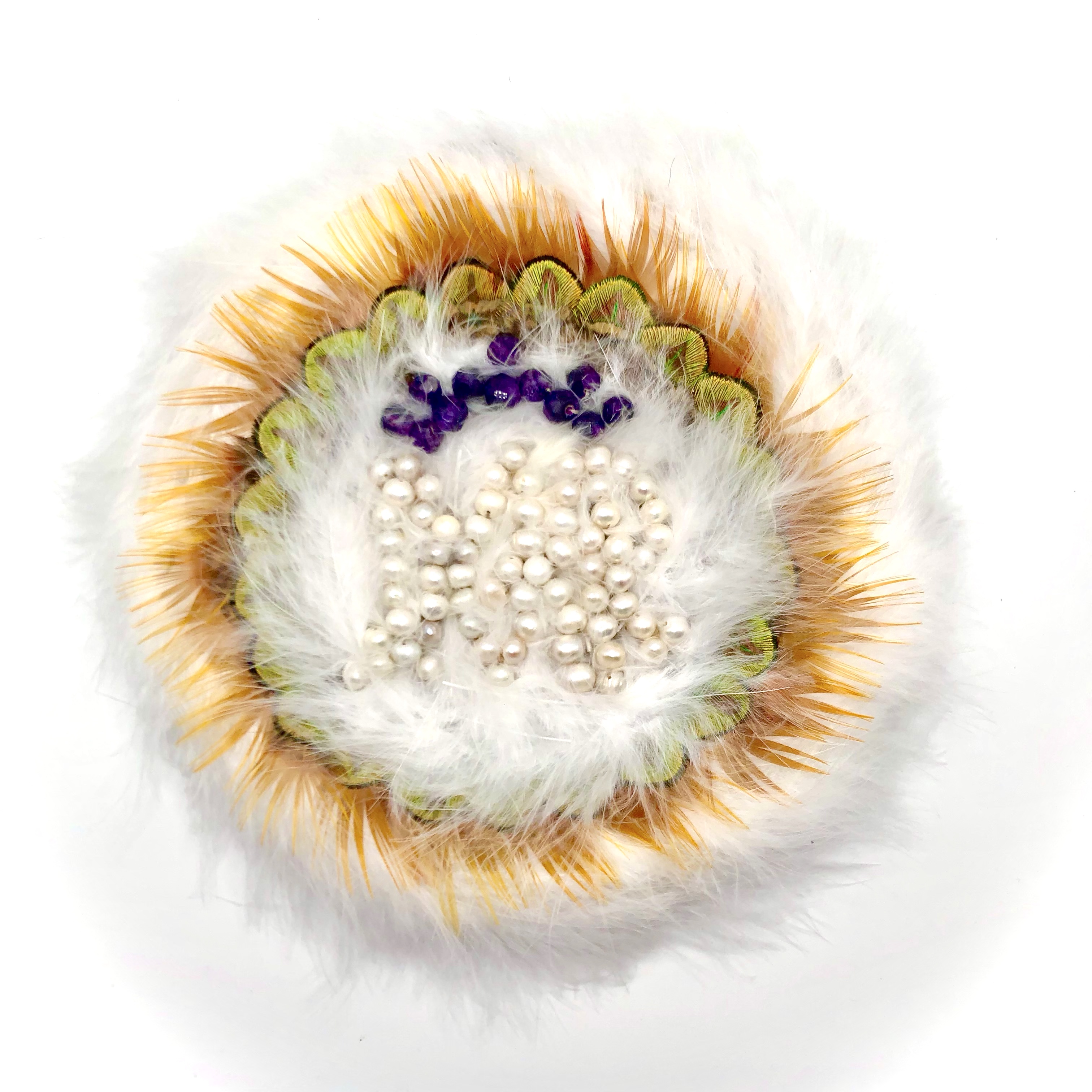


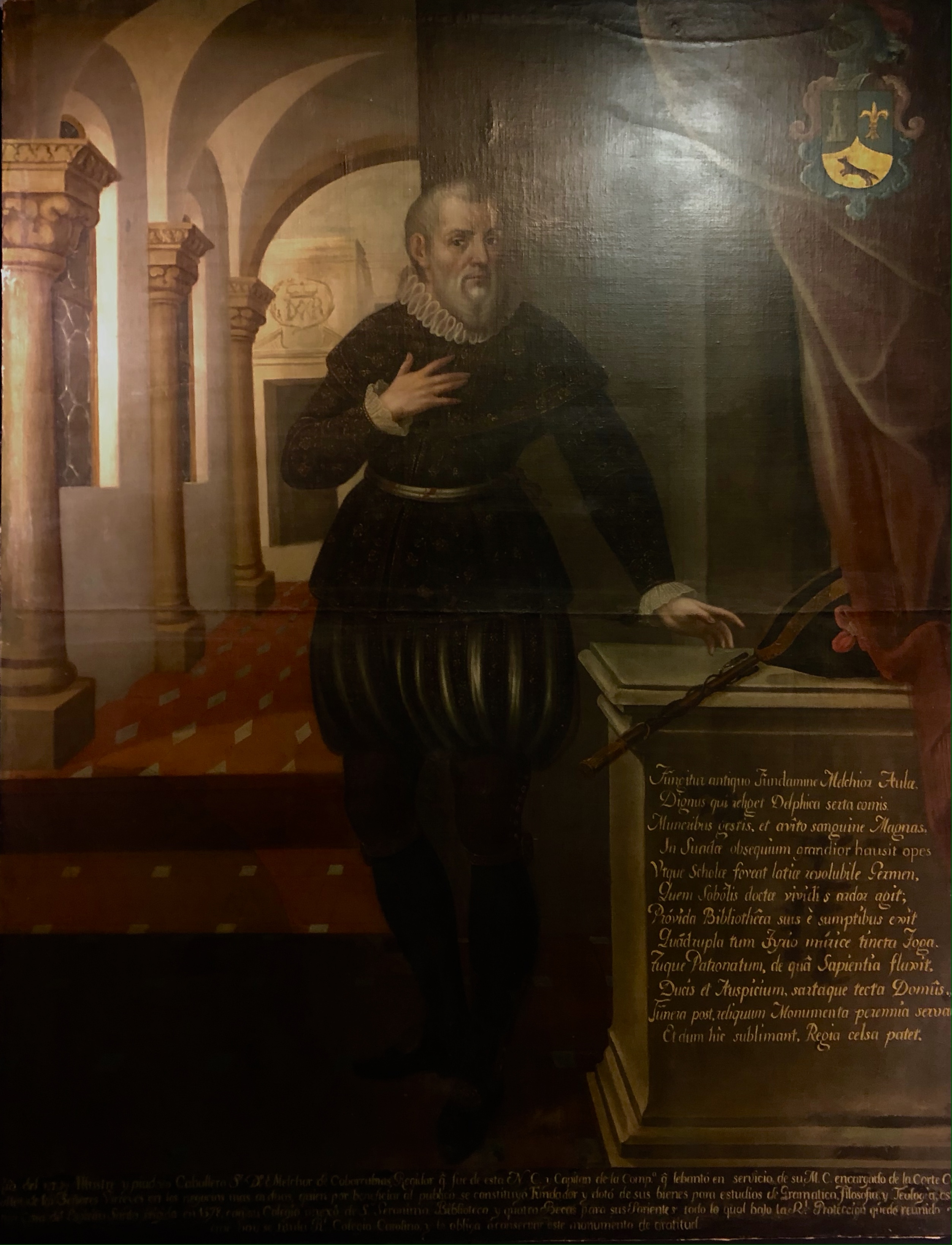

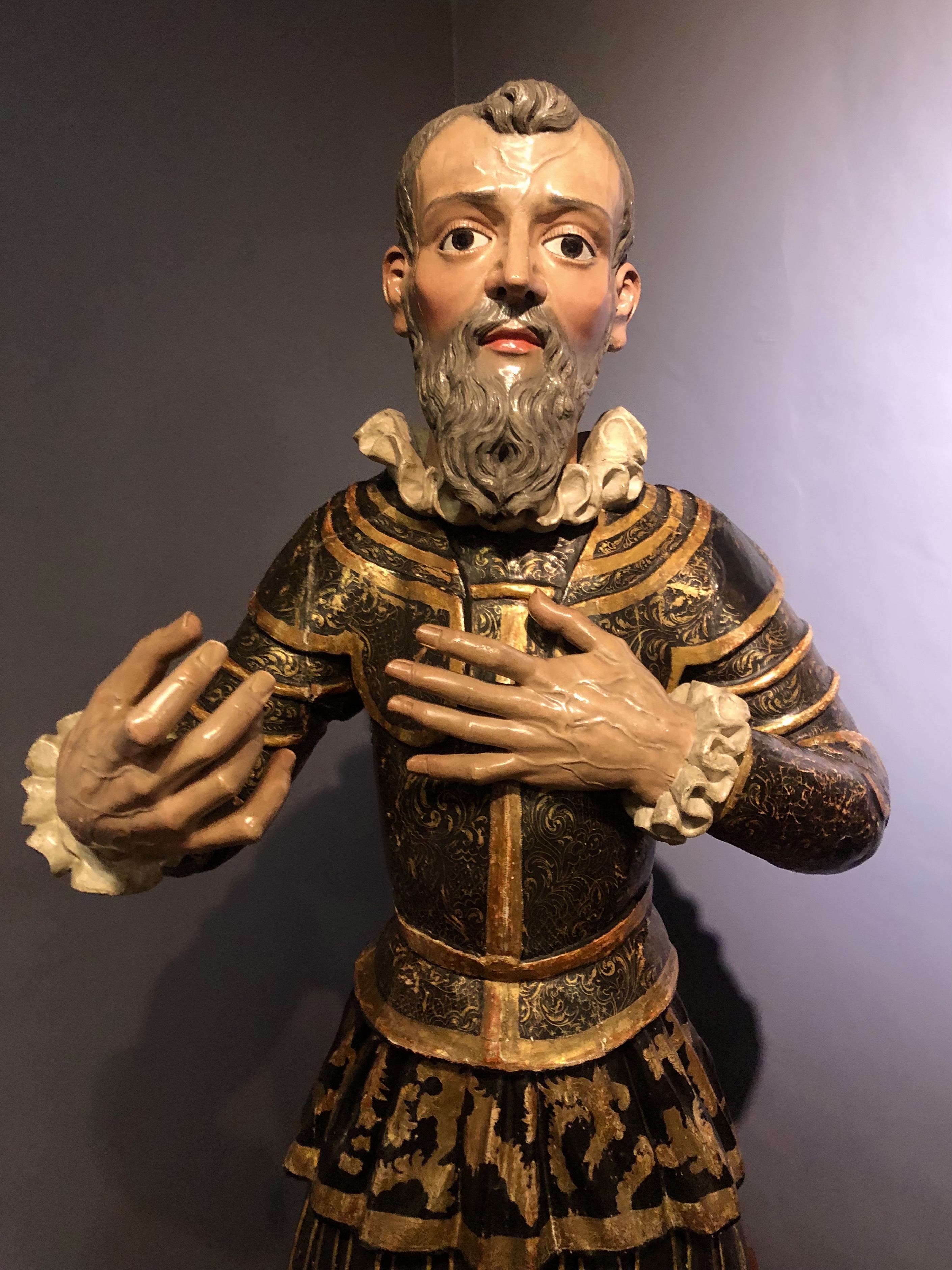

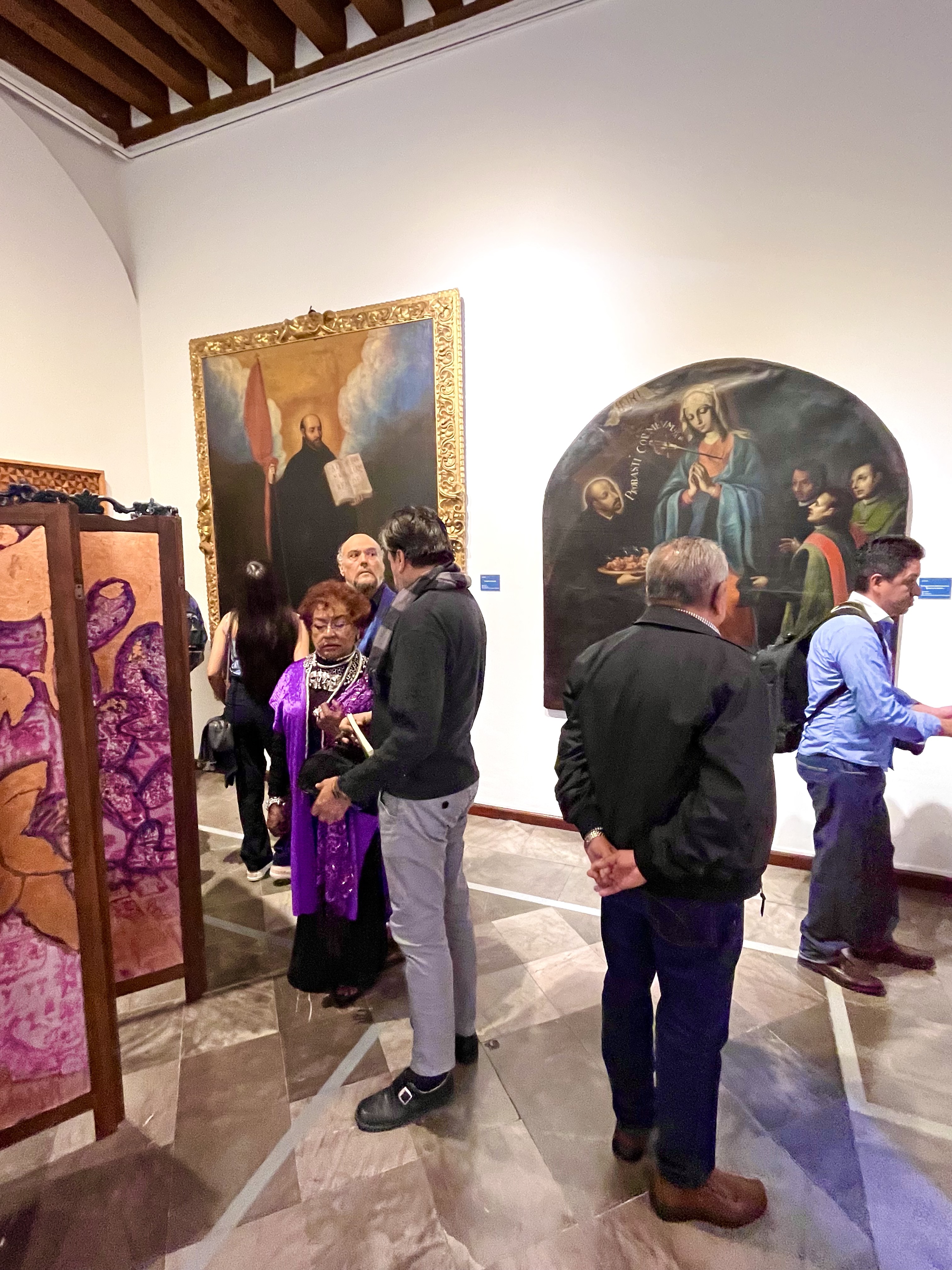


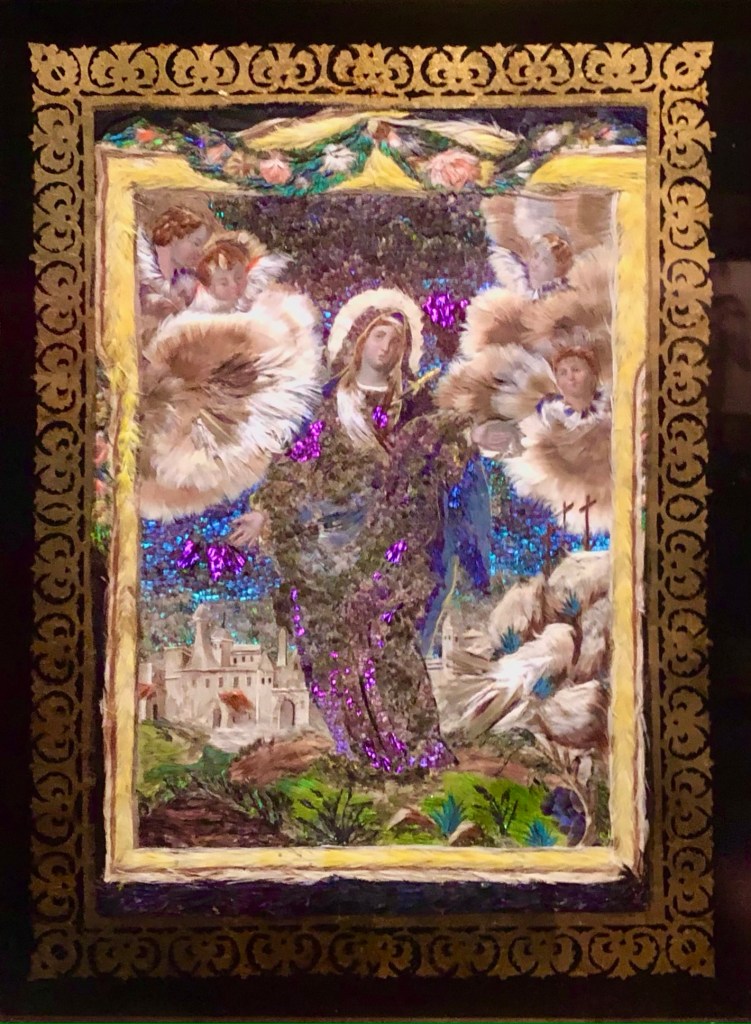
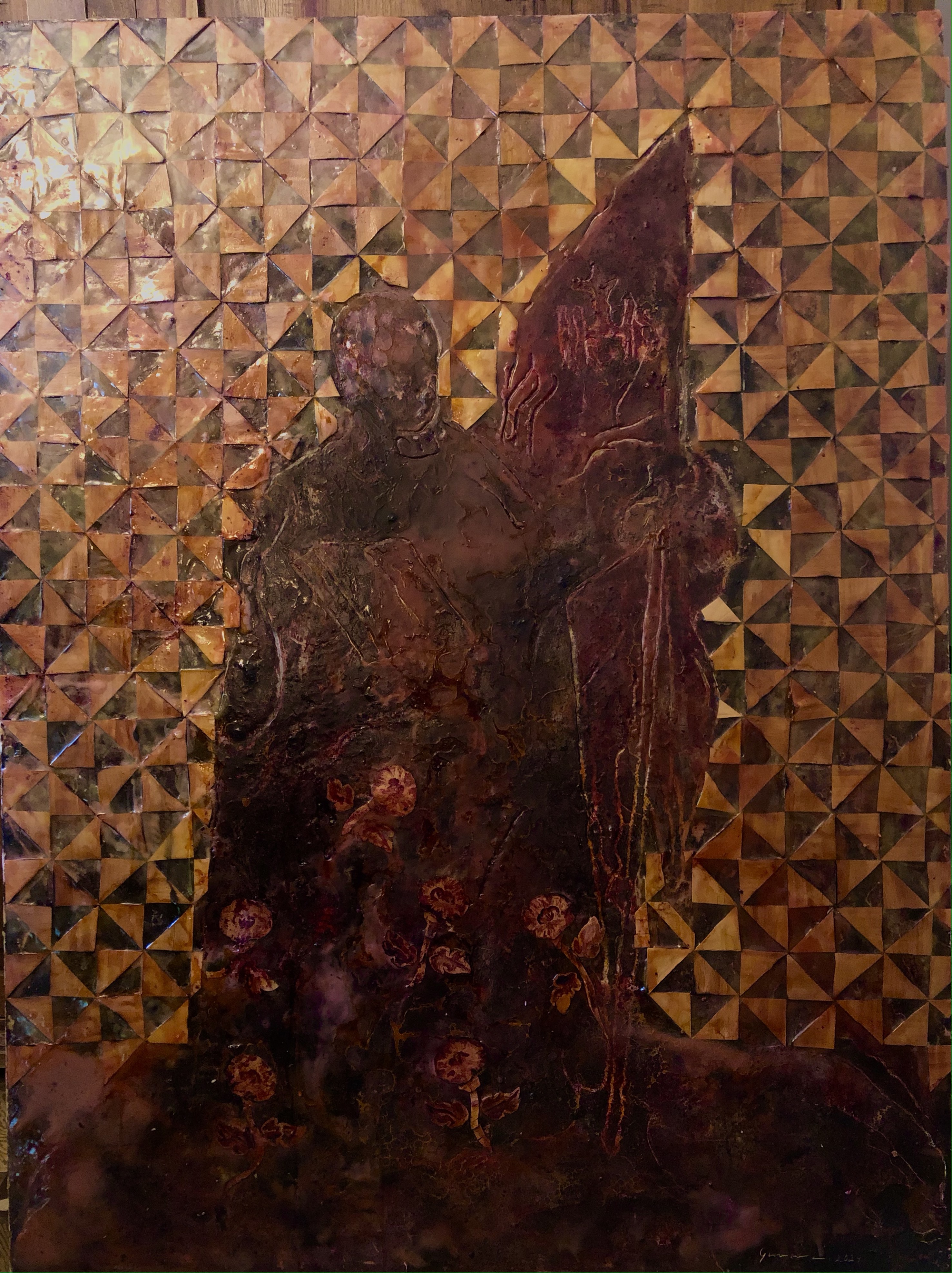
“Ethos of Transfiguration” is a captivating exhibition by contemporary artist Francisco Guevara, curated by art historian Dr. Alejandro Julián Andrade. It highlights both the violence and allure of cochineal red, a thread weaving together stories that have faded over time. Through a nuanced exploration of the Society of Jesus and its patronage rooted in the production and trade of scarlet red, the exhibition presents a dialogue between 18th-century Spanish colonial paintings, some of which presumably include cochineal as a pigment, and Guevara’s conceptual works. This artistic and material journey encompasses featherwork, textiles, gemstones, silversmithing, marquetry, and tempera painting, contextualizing carmine’s production and symbolic power while delving into the political-religious tensions tied to the Jesuits and the intellectual elite they cultivated. In this interplay, the unique brilliance and fluidity of cochineal establish a philosophical and material dialogue, inviting viewers to engage with their own histories through color.

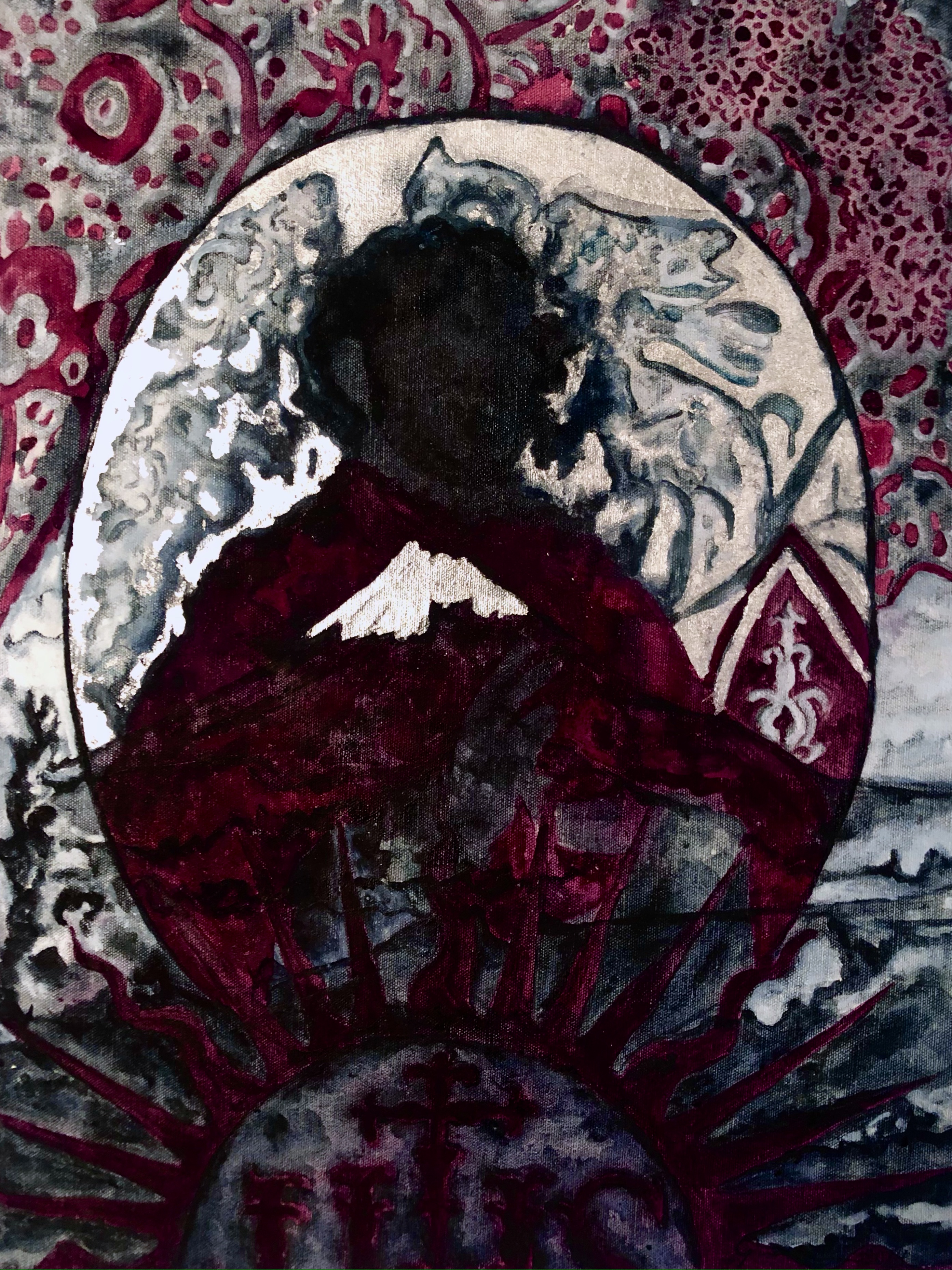
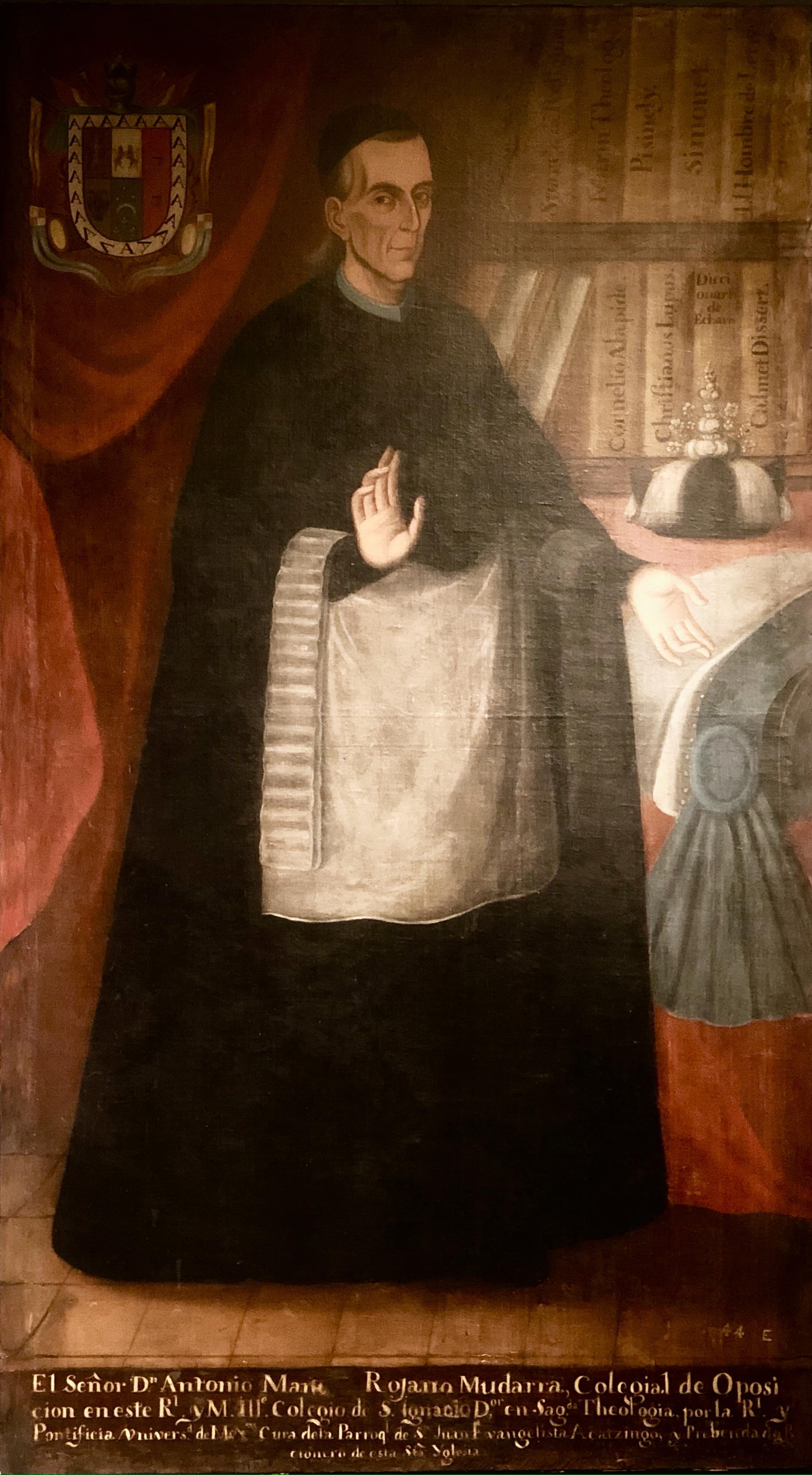
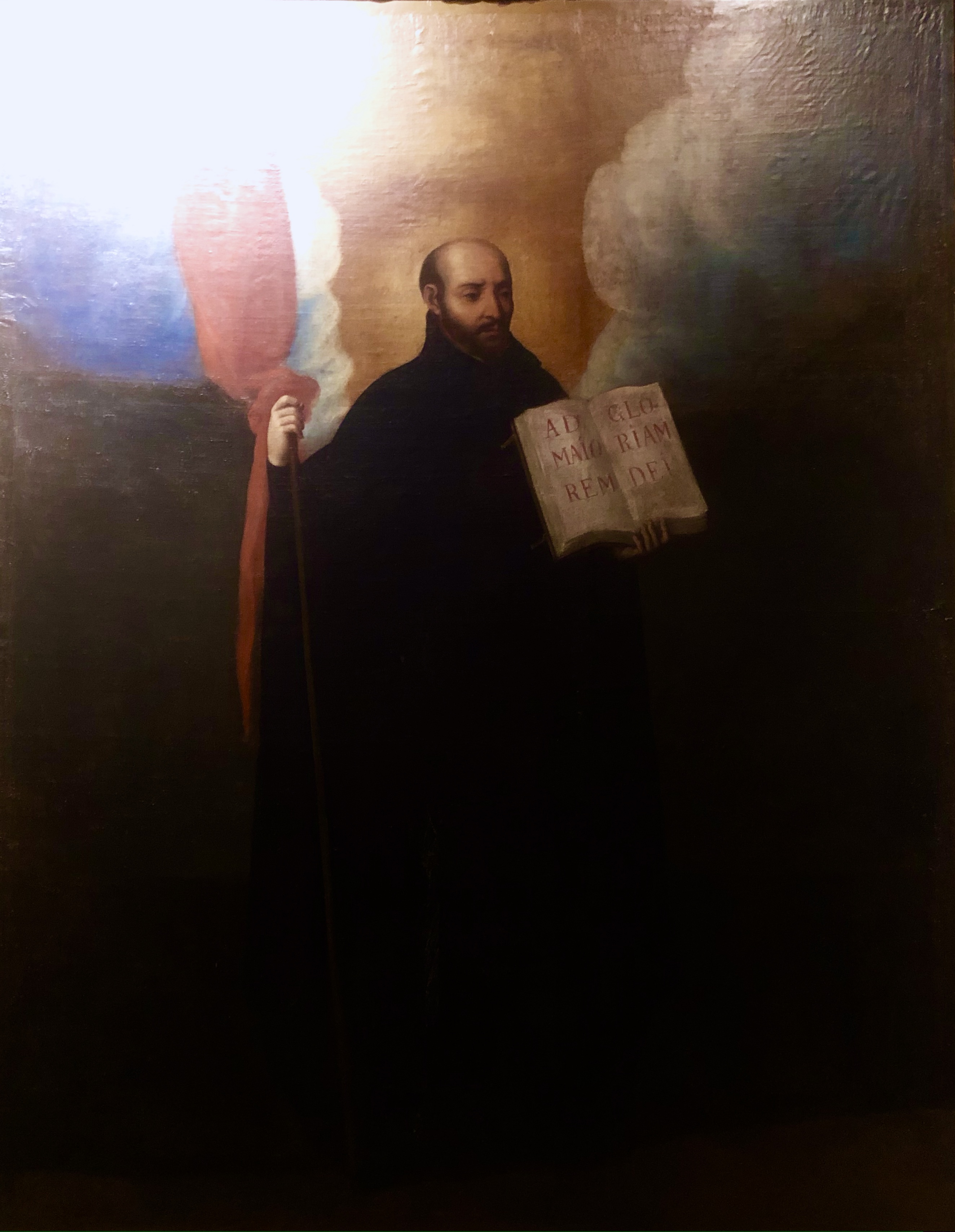
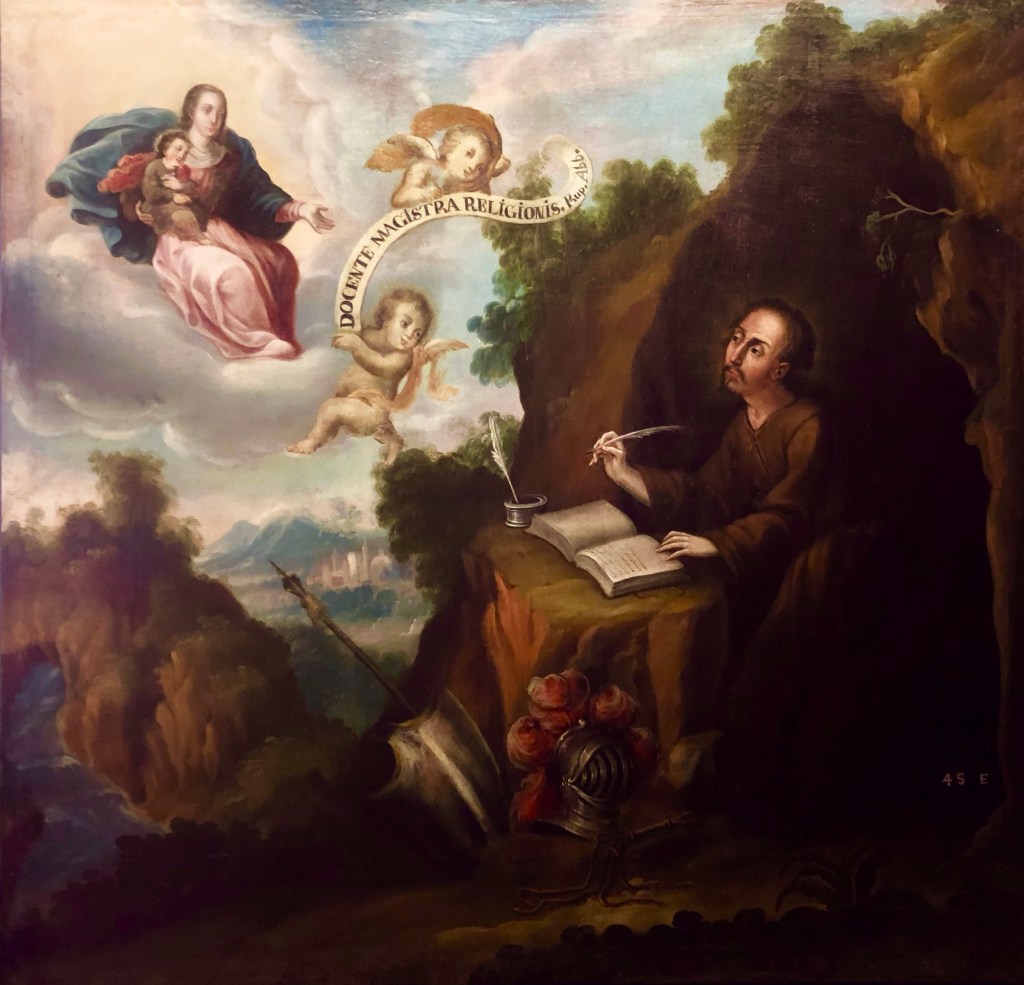
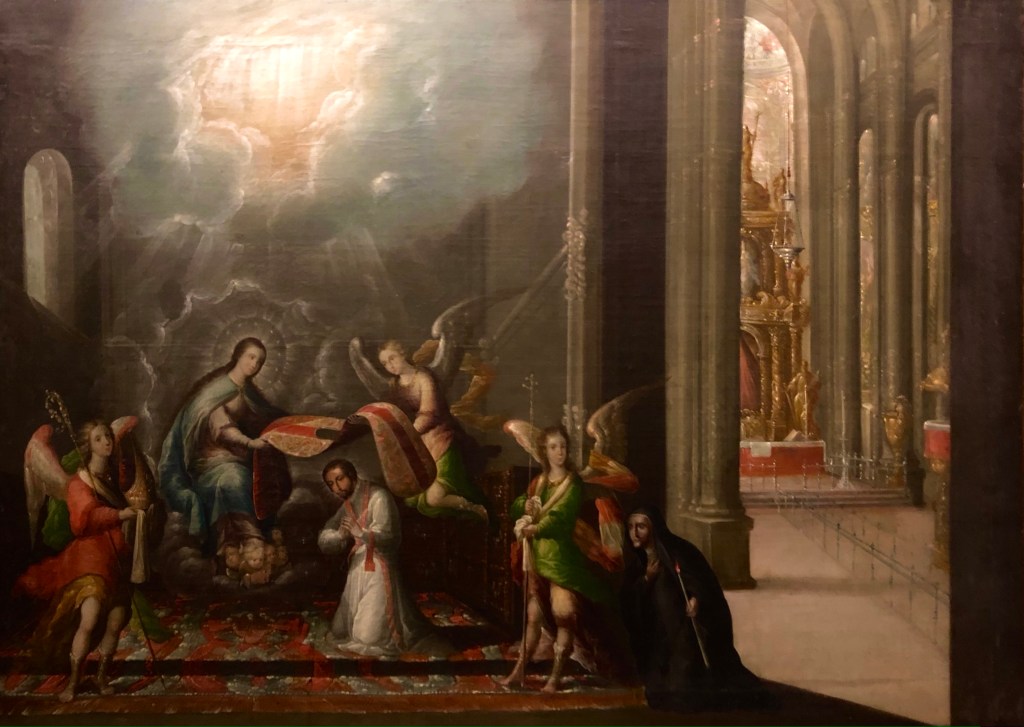
The scarlet red produced by a tiny insect from the Americas not only transformed Spanish Colonial painting but became a cornerstone of the global colonial economy, shaping color technologies and art across Europe. This exhibition revisits the regional history of the Society of Jesus and its unique practices through a compelling dialogue between historical canvases from the former College of the Holy Spirit—portraits of Ignatius of Loyola, founder of the order, and images of Our Lady of Sorrows—and contemporary works by artist Francisco Guevara. Known for his critical reflections on historical processes, Guevara’s research-based practice transforms these explorations into objects notable for their beauty, effectiveness, and persuasive power. His approach extends beyond content, emulating, deconstructing, and reinterpreting original forms through materials whose symbolic and precious qualities have endured since the viceregal era. Through four thematic pillars—Jesuit missionary work, the order’s foundational history in Puebla, its educational legacy, and the figure of Saint Ignatius—Guevara revisits a narrative that laid the cultural and educational foundations of modern Mexico.

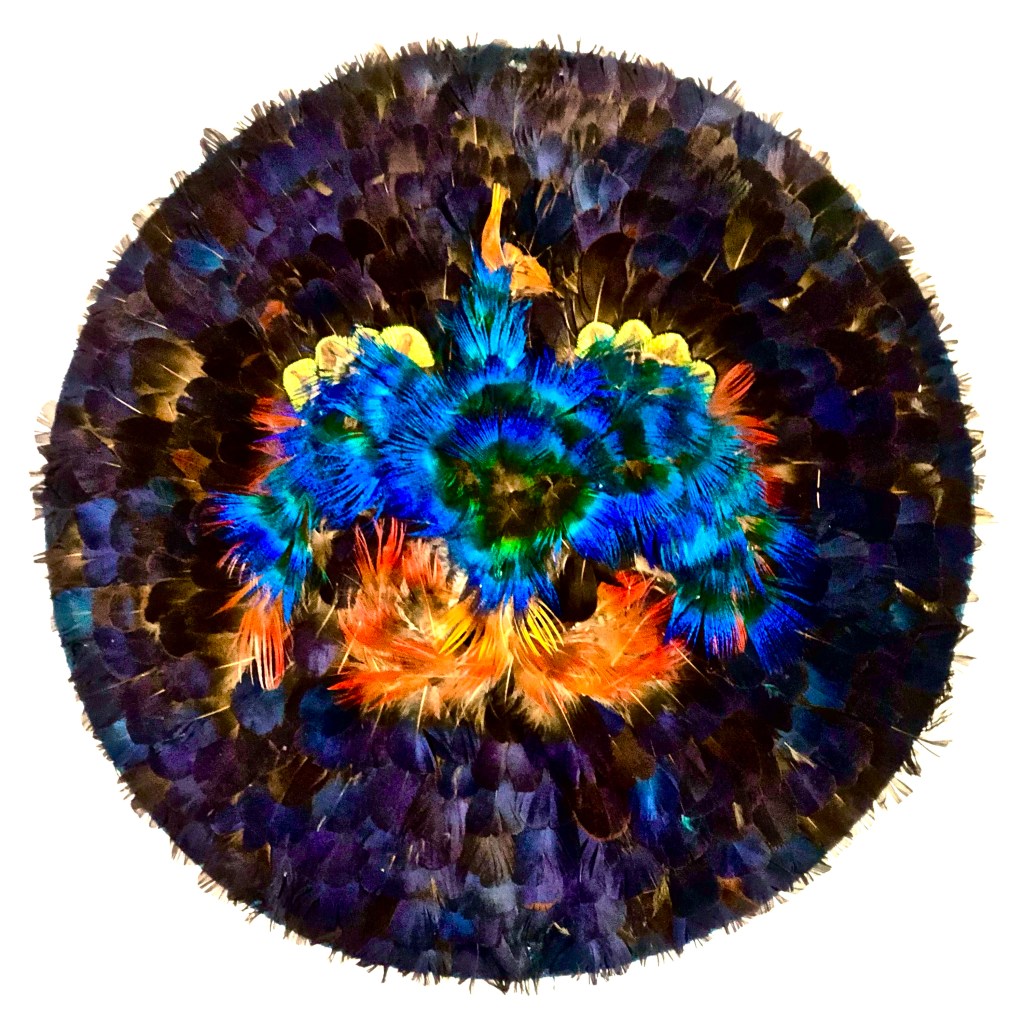
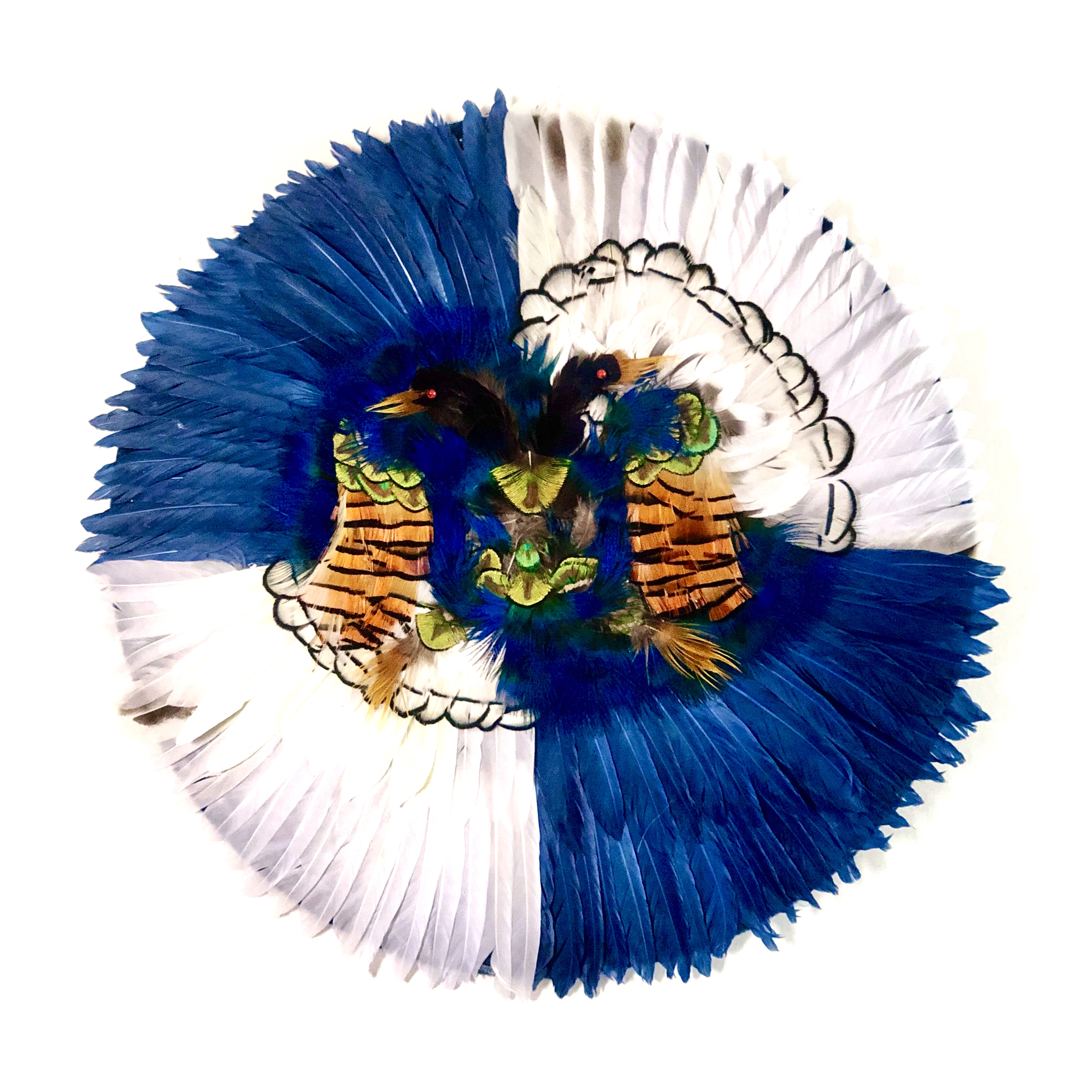
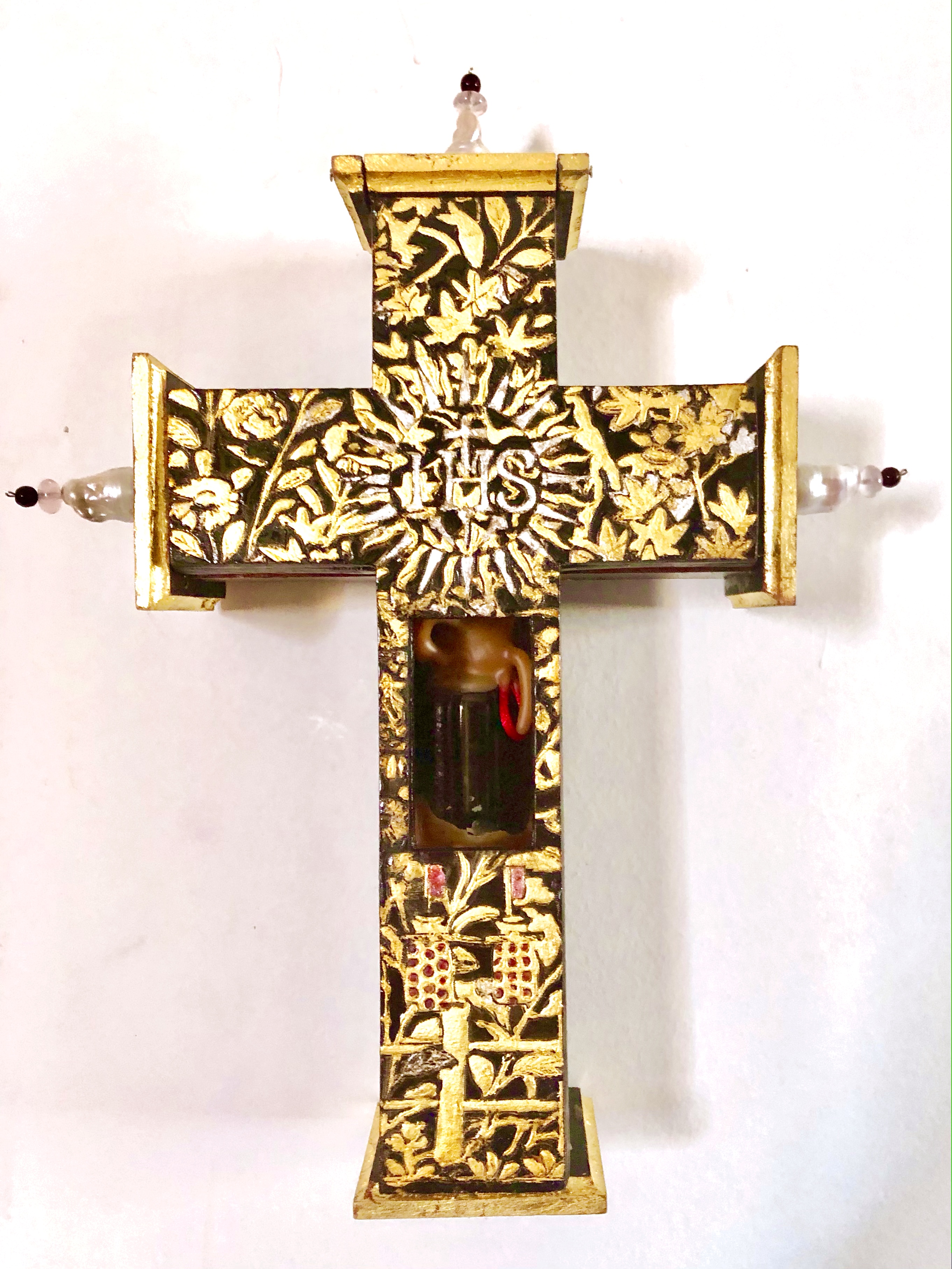
As part of its 15th anniversary celebrations, Arquetopia presents “Ethos of Transfiguration” in collaboration with Benemérita Universidad Autonoma de Puebla, and Museo Universitario Casa de los Muñecos BUAP. This exhibition comprises 32 artworks, including 14 18th-century paintings and 18 contemporary pieces, curated to bridge historical and modern perspectives. Designed by renowned museographer Quetzalina Sánchez, the exhibition opens on November 28, 2024, and will run through February 2, 2025.
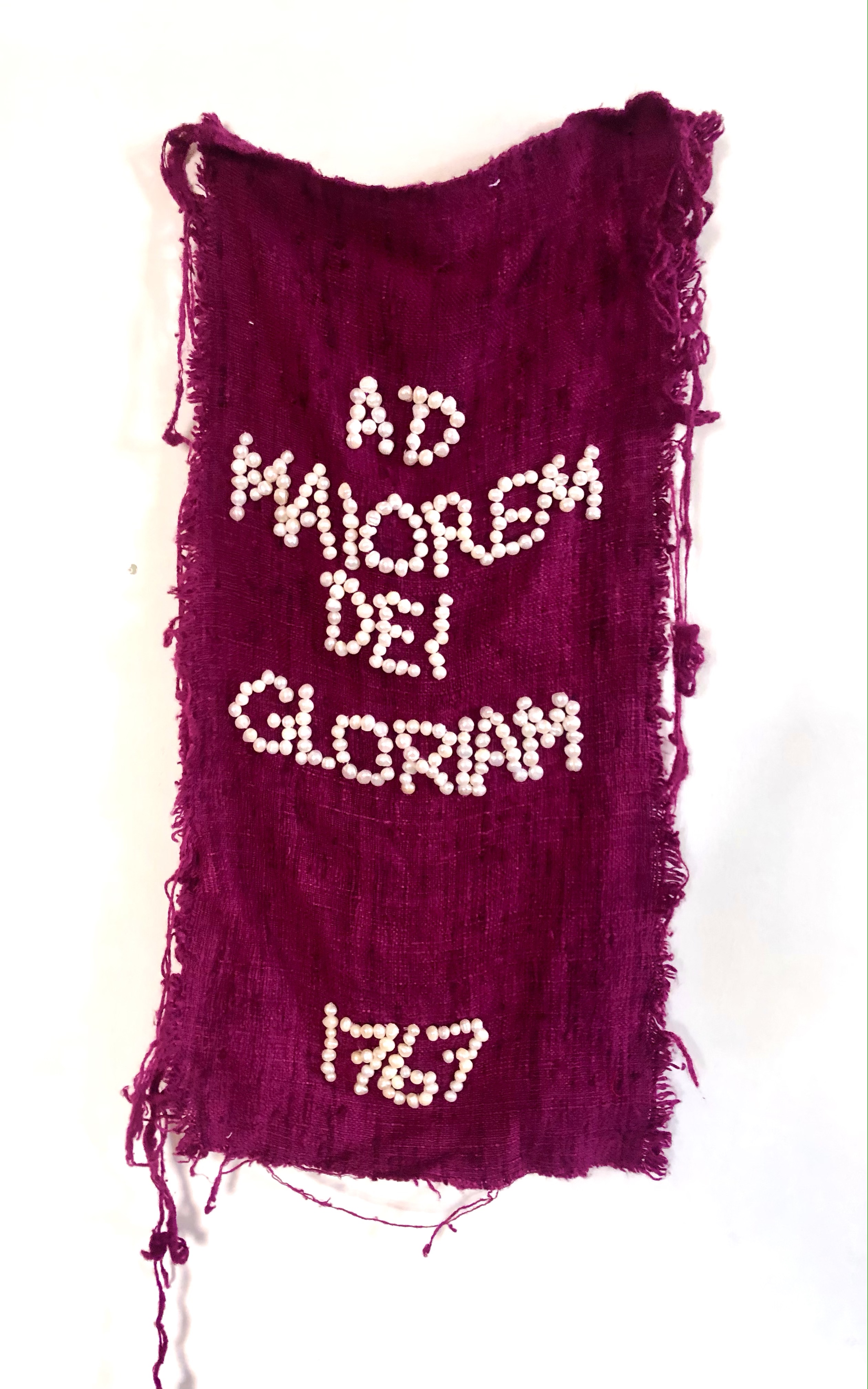

Exhibition Details:
- Title: The Ethos of Transfiguration: Scarlet Reverence, Faith, and the Legacy of Cochineal
- Artist: Francisco Guevara
- Curator: Dr. Alejandro Julián Andrade
- Exhibition Designer: Quetzalina Sánchez
- Venue: Museo Universitario “Casa de los Muñecos,” BUAP, Puebla, Mexico
- Dates: November 28, 2024 – February 2, 2025
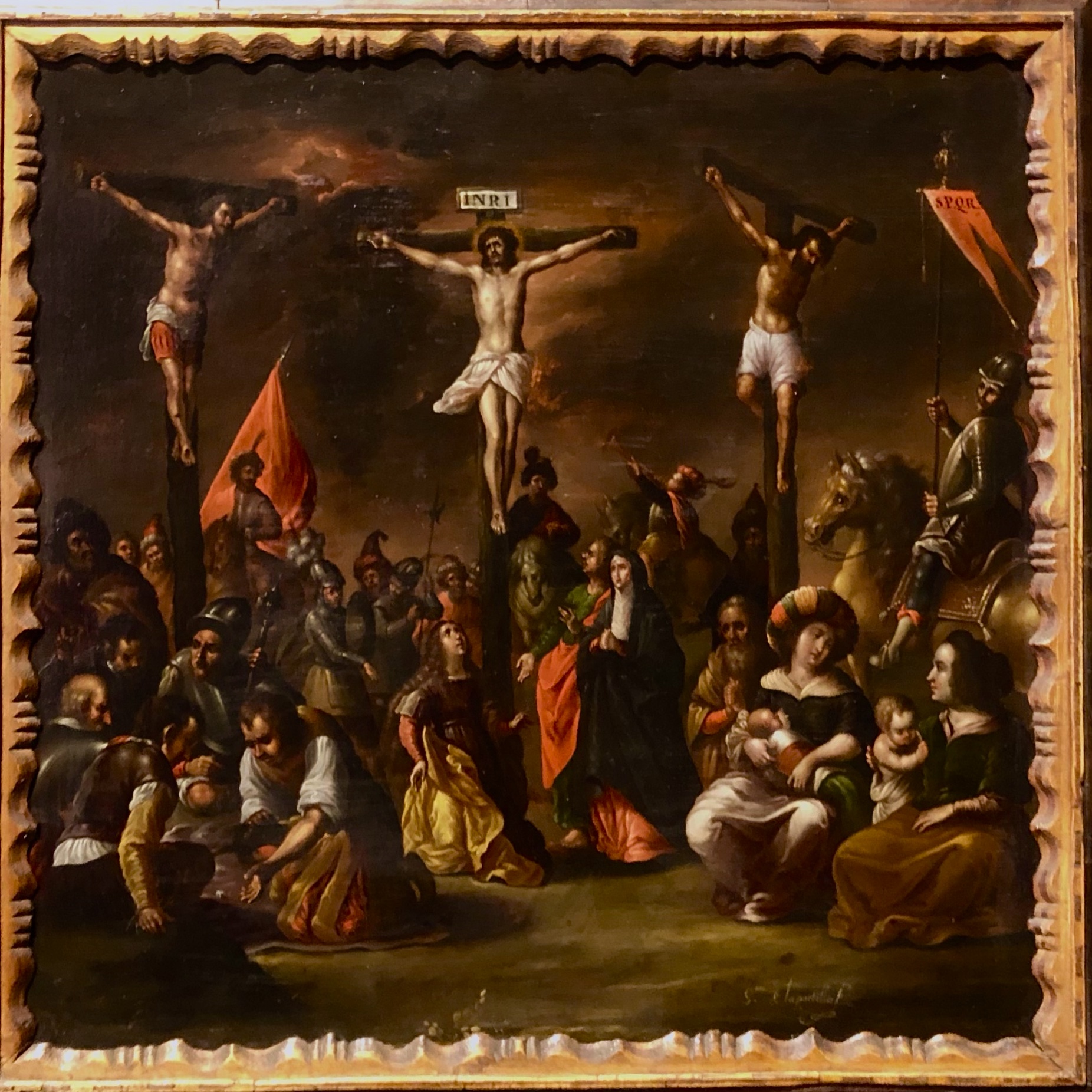
“La Crucifixión de Cristo”, Siglos XVII-XVIII




PROMOTIONAL VIDEO / VIDEO PROMOCIONALES
ACTIVIDADES EDUCATIVAS
- VISITAS GUIADAS
- CONVERSATORIOS
- CONFERENCIAS
ARQUETOPIA
Arquetopia is not a museum or cultural center, nor is it a house for art. It is an unconventional space of disruption that centers mobility as the origin of the ethical problem and violence in the processes of artistic production, especially in Mexico and Peru. Its programs draw from diverse global knowledge and experiences, creating intersections to challenge perspectives and ways of seeing, particularly those that prioritize beauty over thought, aesthetics over responsibility, or irony over awareness.
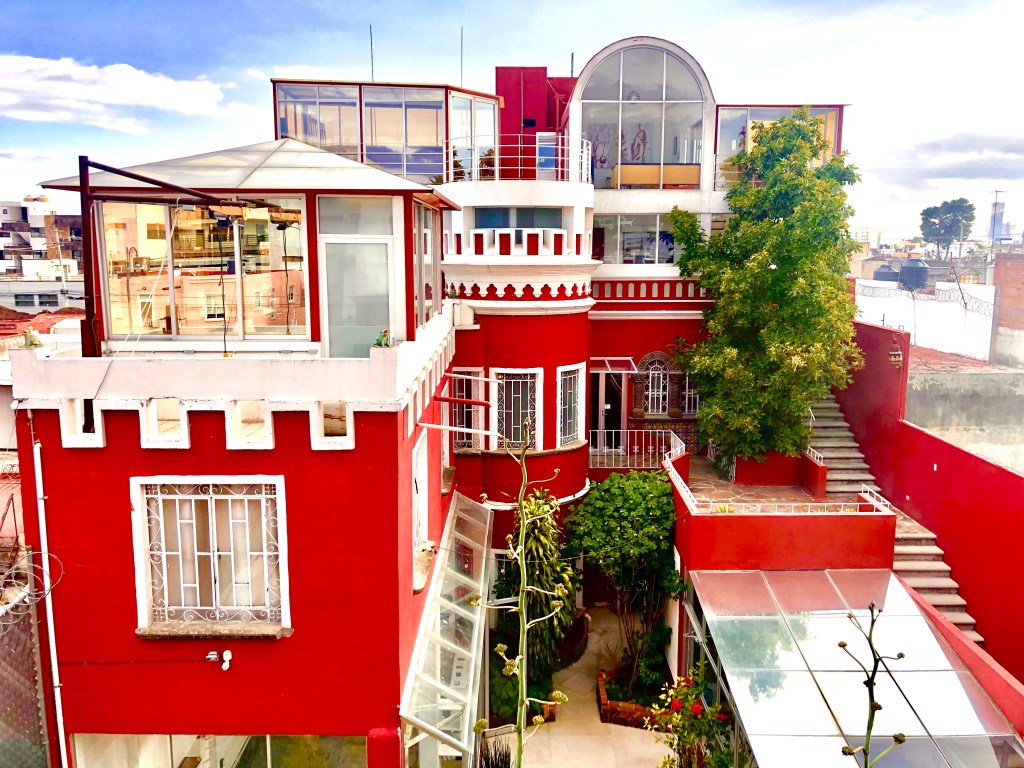
On its 15th anniversary, Arquetopia positions itself as the anti-residency, distancing itself from the exploitation that art often promotes and reimagining the artist as an agent of change. However, an agent of change is not the creative genius inspired by nature, nor the one who views social changes with suspicion, only to benefit from its abstraction and representation. Rather, they are the persons who daily seeks new forms of coexistence without losing sight of the injustices occurring around them.
This compels us to recognize, that the only viable path is the anti-colonial one, rooted in reciprocity and collaboration, challenging relationships between class, geography, and species, and consistently referencing colonialism while actively opposing neo-imperialism. Community must be understood as more than a place to visit or an extension of landscape, and under no circumstances can it be evaluated or rated based on customer satisfaction. Reciprocity entails questioning ourselves critically while extending a hand generously to walk together into the unknown.
This is how Arquetopia celebrates its fifteenth anniversary, reaffirming its commitment to remain a critical, dynamic, and creative space where ethics always take precedence and the responsibility to challenge racism, sexism, and classism is shared with artists.
Are you interested in collaborating? Contact us here http://www.arquetopia.org/
ARQUETOPIA
Arquetopia no es un museo o centro cultural, ni tampoco una casa para el arte. Es un espacio inusual de interrupción que centra la movilidad como origen del problema ético y de la violencia en los procesos de producción artística, especialmente en México y Perú. Sus programas se nutren con diversos conocimientos y experiencias globales, creando intersecciones para cuestionar posiciones y formas de ver, especialmente aquellas que privilegian la belleza sobre el pensamiento, la estética sobre la responsabilidad, o la ironía en favor de la ignorancia.
En su XV aniversario, Arquetopia se asume como la anti-residencia, distanciándose de la explotación que a menudo el arte promueve y reimaginando al artista como agente de cambio. Sin embargo, el agente de cambio no es el genio creativo inspirado por la naturaleza, ni aquel que observa los cambios sociales con suspicacia para finalmente beneficiarse de su abstracción y representación. Más bien, es aquel que día a día busca nuevas formas de coexistencia sin perder de vista las injusticias que ocurren a su alrededor.
Esto nos obliga a reconocer que el único camino viable es el anti-colonial, el de la reciprocidad y la colaboración, desafiando las relaciones entre clase, geografía y especie, y haciendo continuas referencias al colonialismo mientras se opone activamente al neo-imperialismo. Comunidad debe entenderse como algo más que un lugar que se visita o una extensión del paisaje, y bajo ninguna circunstancia puede ser evaluada o calificada en función de la satisfacción del cliente.Reciprocidad implica cuestionarnos con una mirada crítica mientras extendemos la mano con generosidad para caminar juntos hacia lo desconocido. Así es como Arquetopia celebra su decimoquinto aniversario, reafirmando su compromiso de mantenerse como un espacio crítico, dinámico y creativo donde la ética siempre tendrá prioridad y la responsabilidad de cuestionar el racismo, sexismo y clasismo en el arte continuará siendo compartida con los artistas.
¿Te interesa colaborar? Contáctanos aquí http://www.arquetopia.org/
EMBASSY PROGRAM ARQUETOPIA
Con motivo del XV aniversario Arquetopia en colaboración con el Gobierno de México y a través de sus Embajadas y Consulados, así como diversas instituciones, nuestra fundación inaugura un programa muy amplio de exposiciones itinerantes con temas críticos para llegar a diversos público, que serán presentadas en diversas sedes internacionales incluyendo:
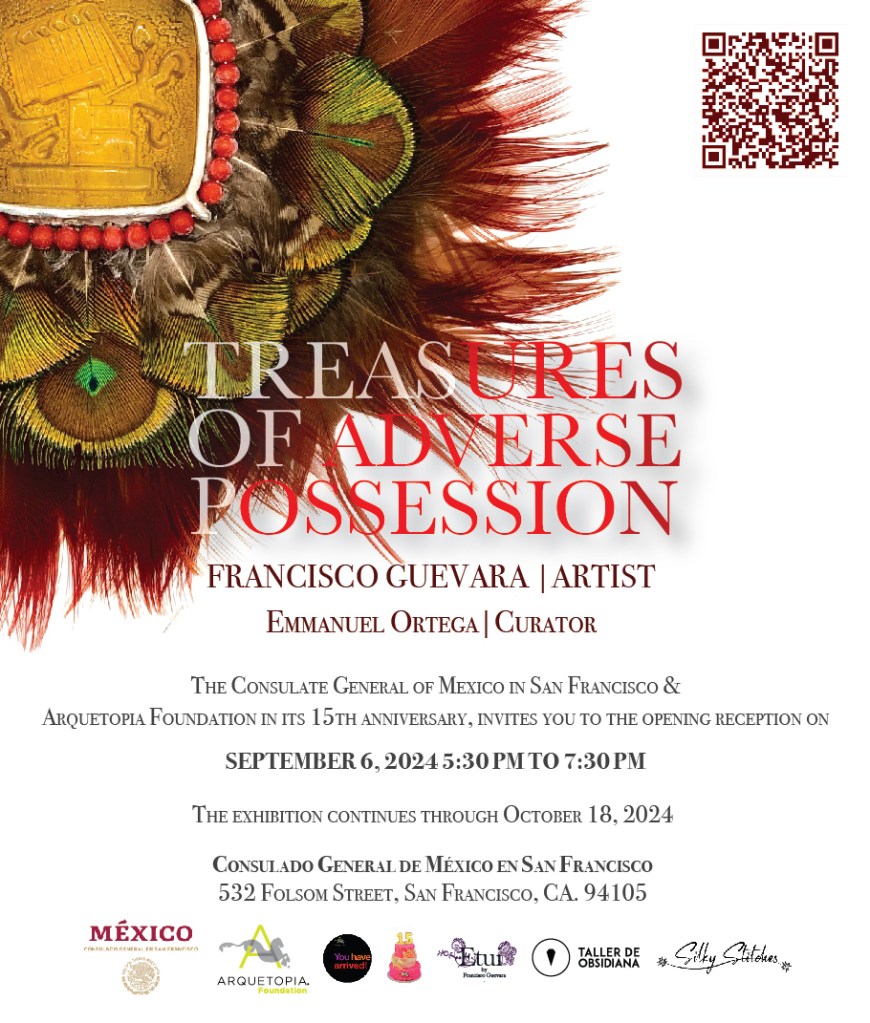
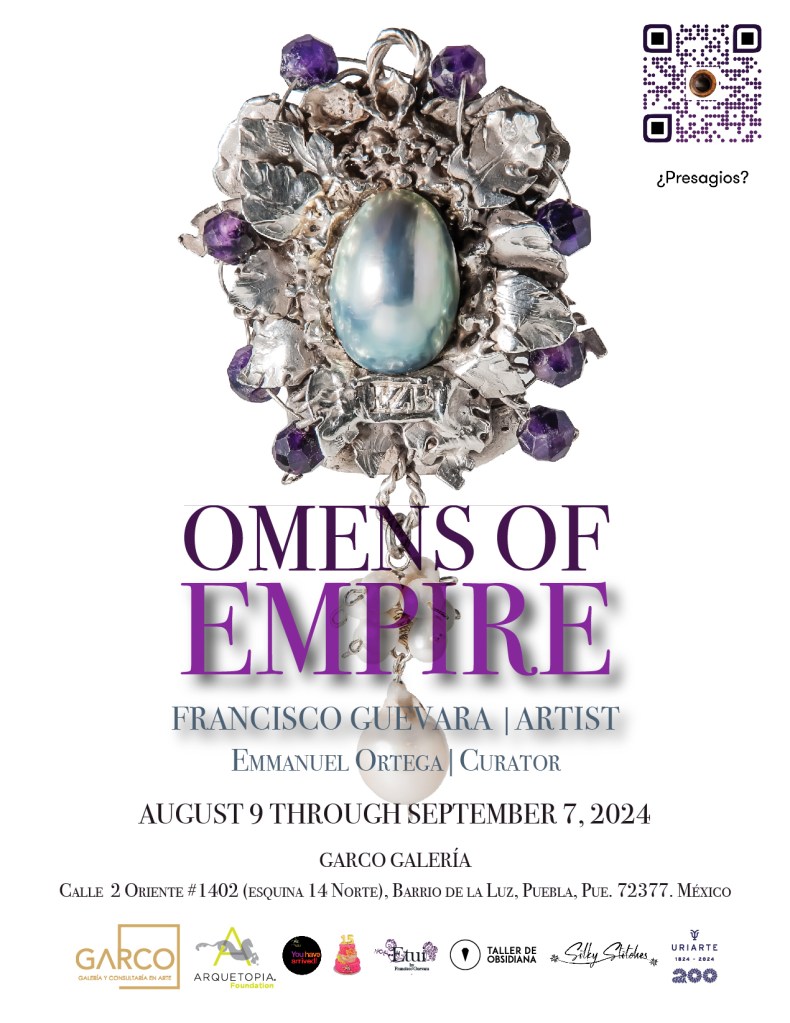
“Treasures of Adverse Possession” 2025-2027
- Estados Unidos
- Consulado General de México en los Ángeles
- Consulado General de México en Sacramento
- Consulado General de México en Phoenix
- Consulado General de México en Atlanta
- Consulado General de México en Raleigh
- Consulado General de México en New Brunswick
- Türkiye
- Consulado General de México en Estambul
- México
- Centro de las Artes San Agustín, Oaxaca
- Brasil
- Museu Historico Nacional / Consulado de México en Río
- Nigeria
- Embajada de México en Nigeria
FRANCISCO GUEVARA | ARTISTA Y CURADOR
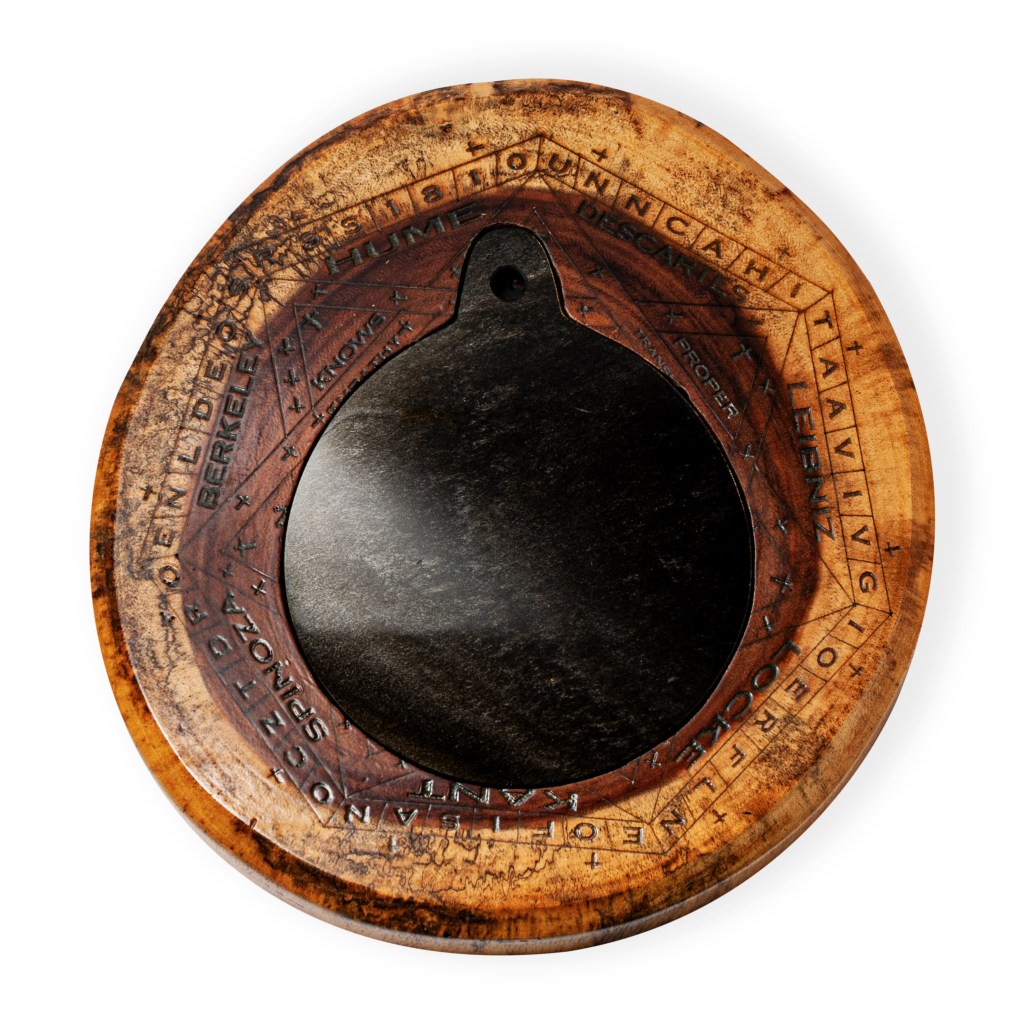
Artista visual, curador, académico independiente y fundador de Arquetopia Residencias Artísticas Internacionales con sede en México, Perú́ e Italia. Su experiencia abarca más de 20 años de proyectos artísticos internacionales, curaduría y docencia, así́ como múltiples exposiciones colectivas, individuales y ensayos. Su especialidad es la historiografía del arte y la ética levinasiana aplicada al diseño de proyectos artísticos transculturales, así como el análisis de la corporalidad en las prácticas artísticas contemporáneas.
Como artista visual, Guevara investiga la pregunta ética en la imagen a través de la construcción histórica de los procesos de diferenciación, específicamente la modernidad, el colonialismo y los fenómenos ideológicos que informan la producción filosófica del conocimiento dominante. Su práctica incluye una amplia gama de medios artísticos e históricos, como pintura orgánica, gráfica, orfebrería, arte plumario, e instalación. Desde 2009, Guevara es codirector ejecutivo de Arquetopia, fundación que promueve el desarrollo y la transformación social a través de programas educativos, artísticos y culturales.
Aquí puedes descargar el catálogo
 Francisco Guevara
One thought on “Ethos of Transfiguration/ Ethos de Transfiguración”